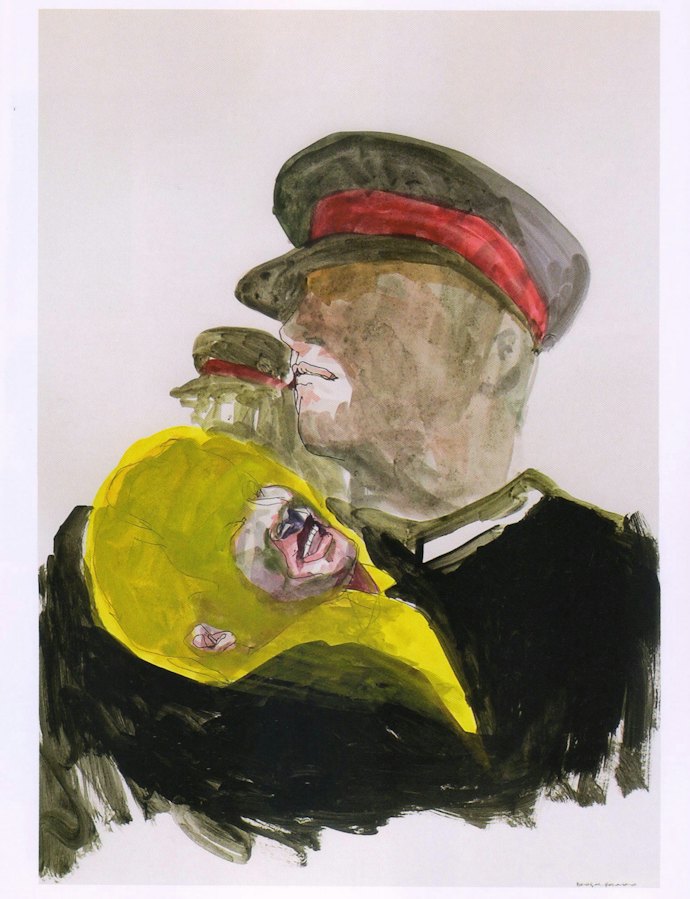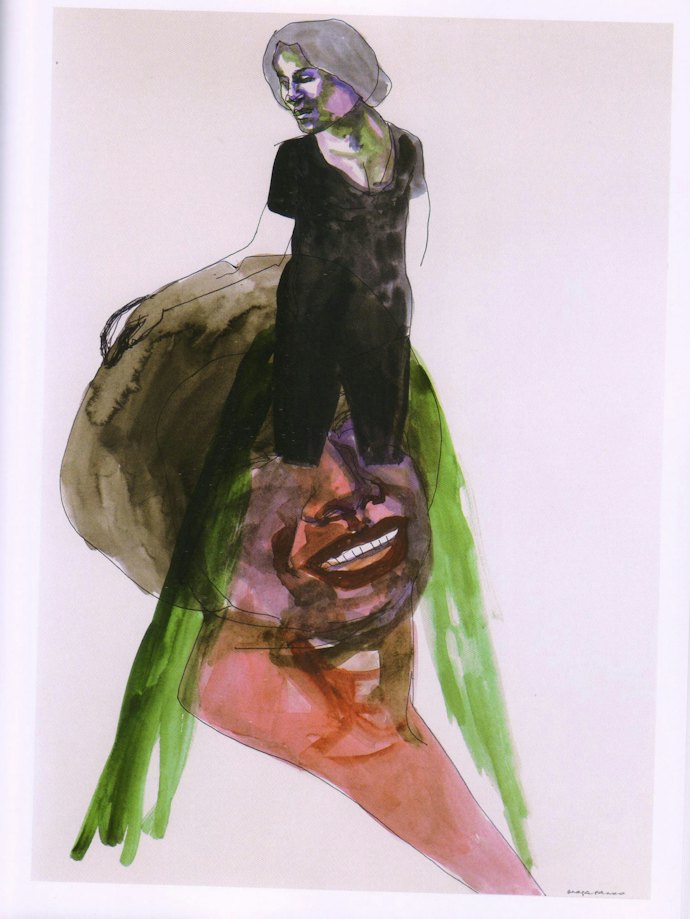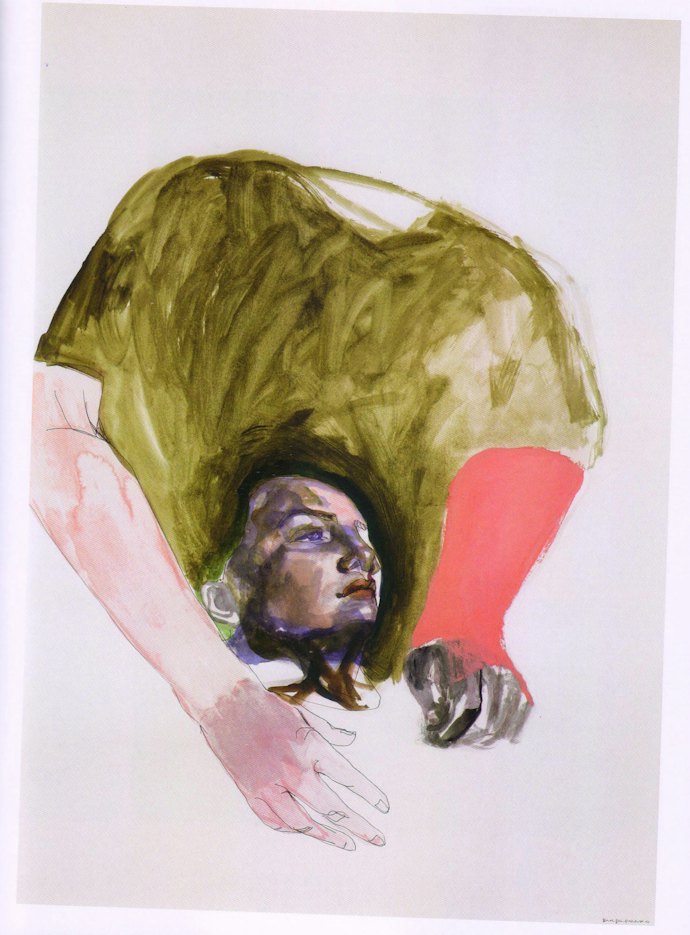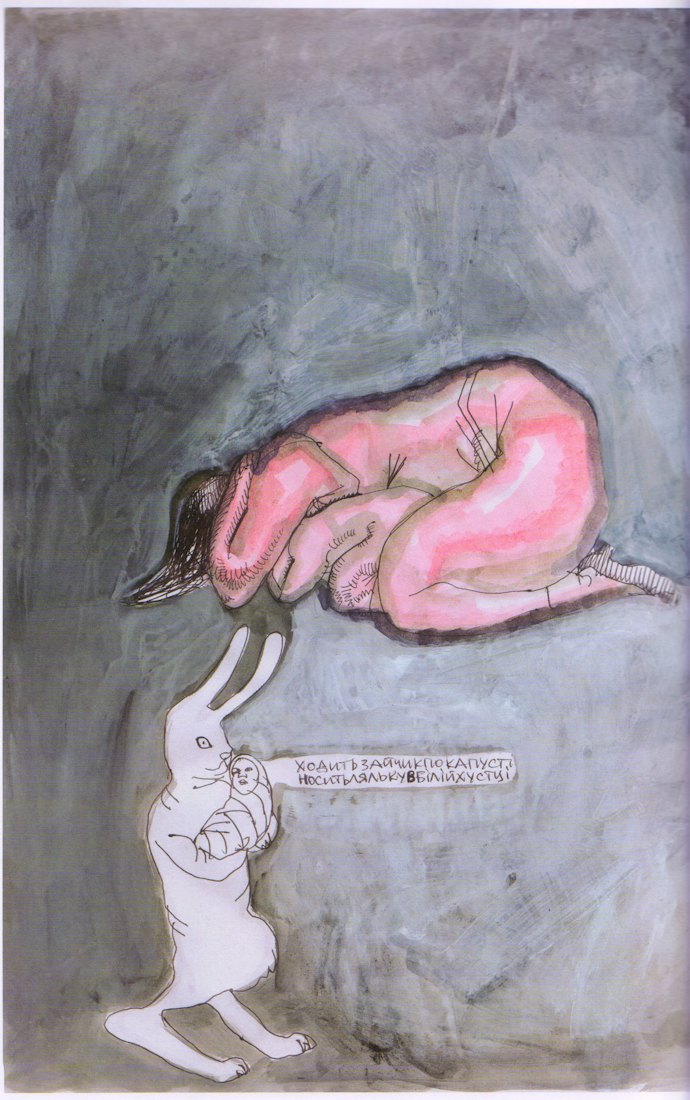
The work of Vlada Ralko is easily recognizable. She entered Ukrainian art thanks to her “diaries” — series that reveal deep social and political themes. Flesh and blood, an uncomfortable past and a complex present, the body and power — all of this is manifested in the plots, images, and colors of Ralko’s works.
A human without humanity
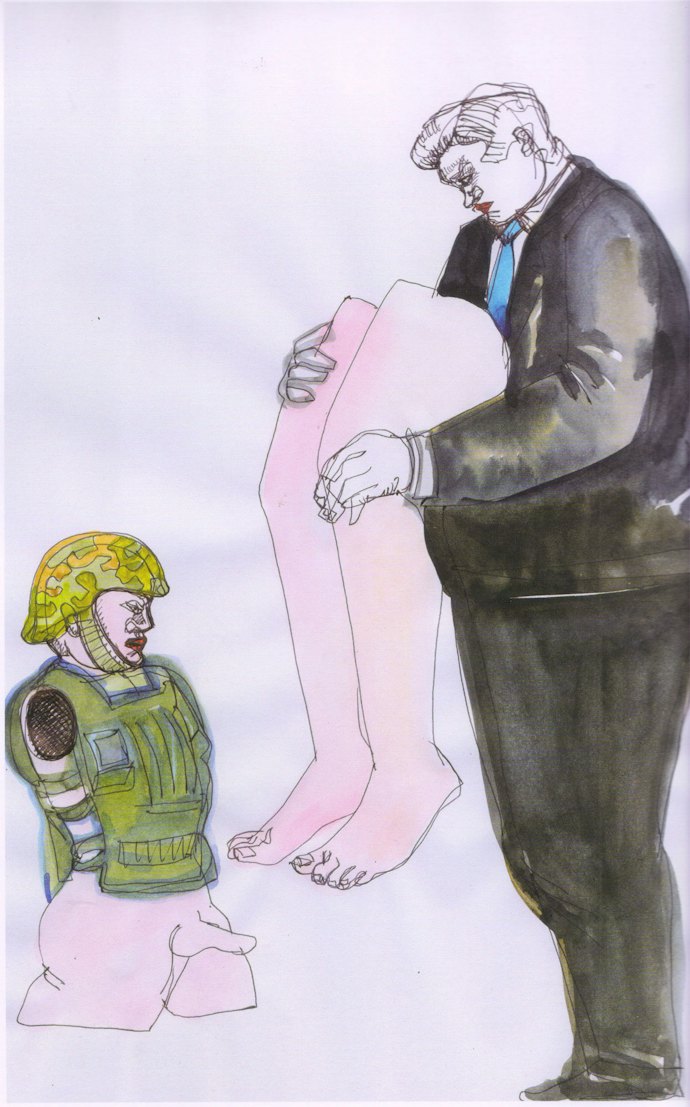
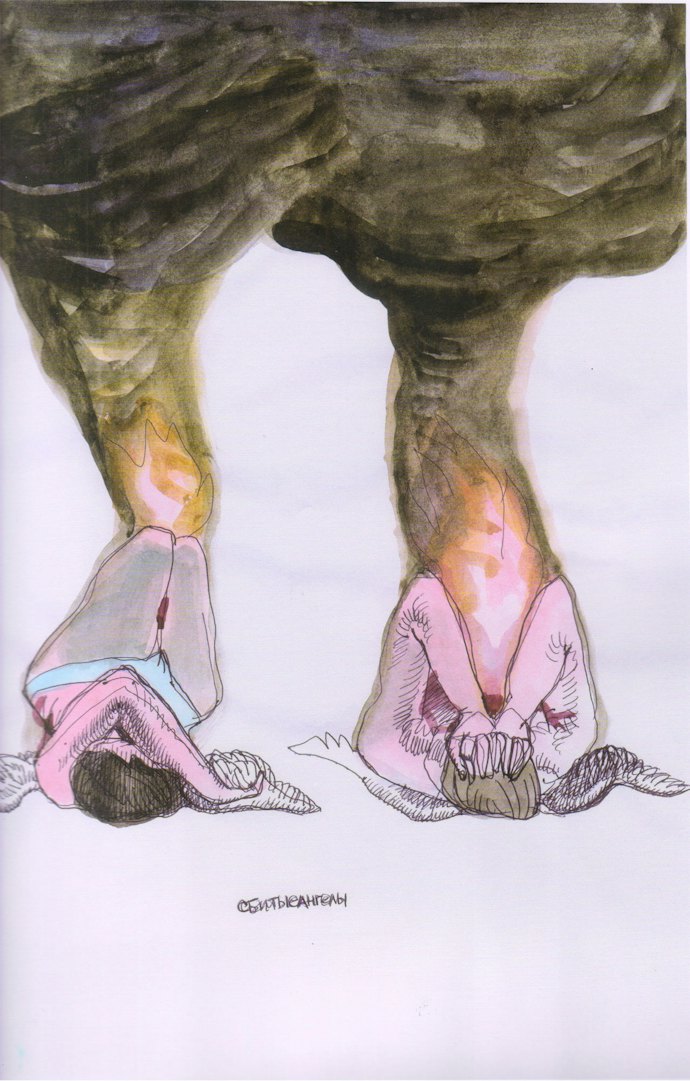
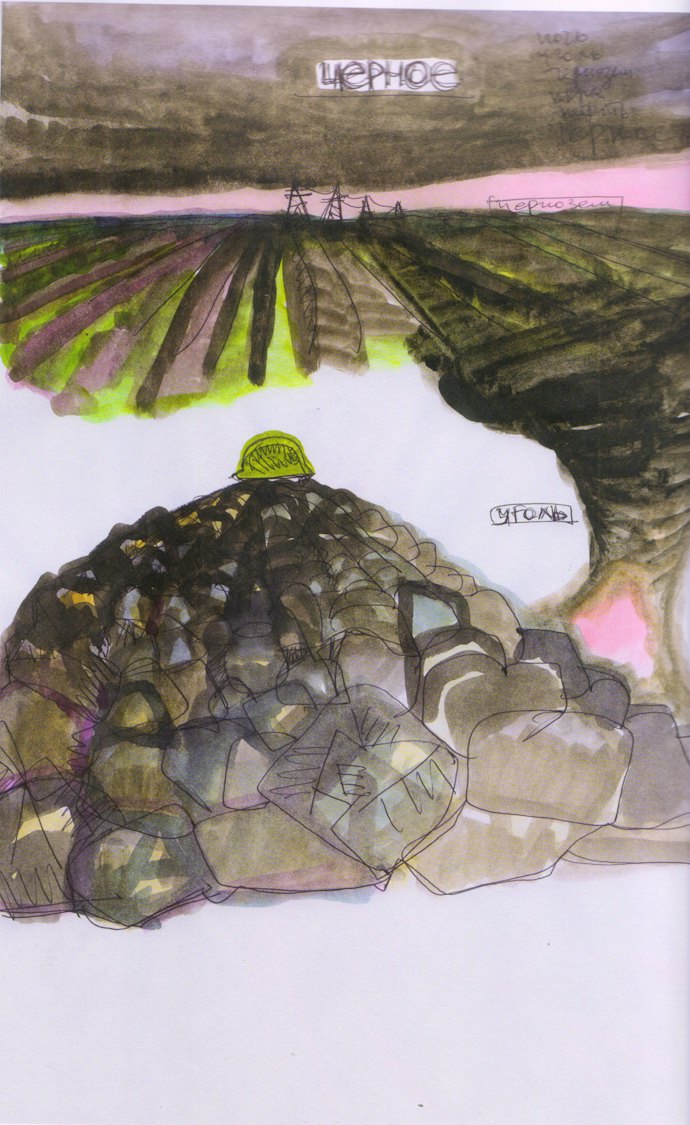
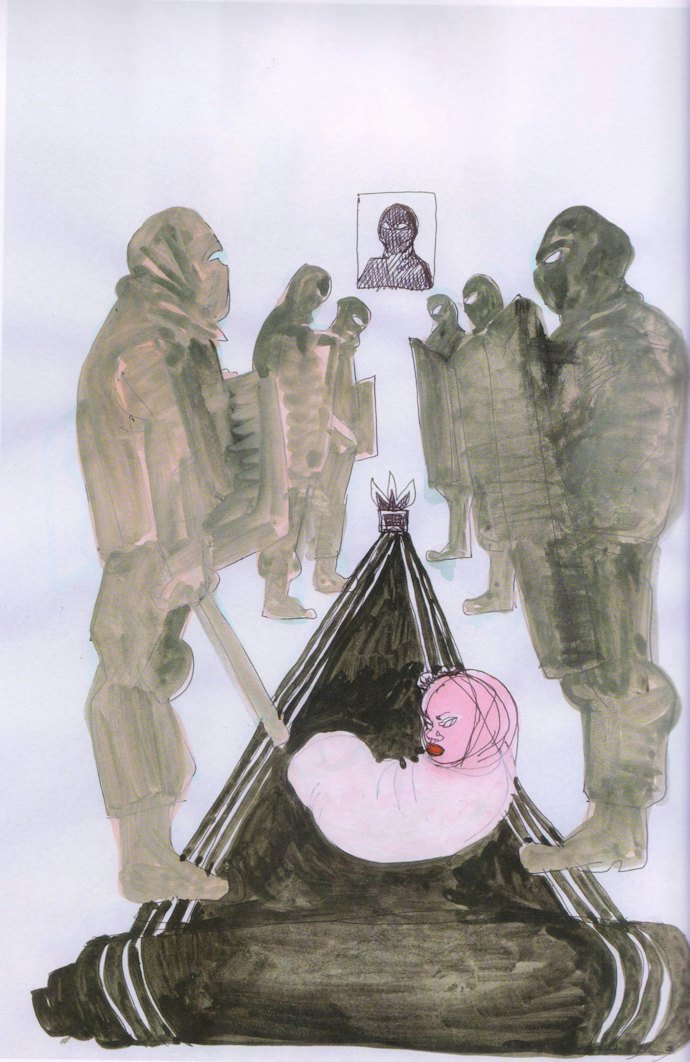
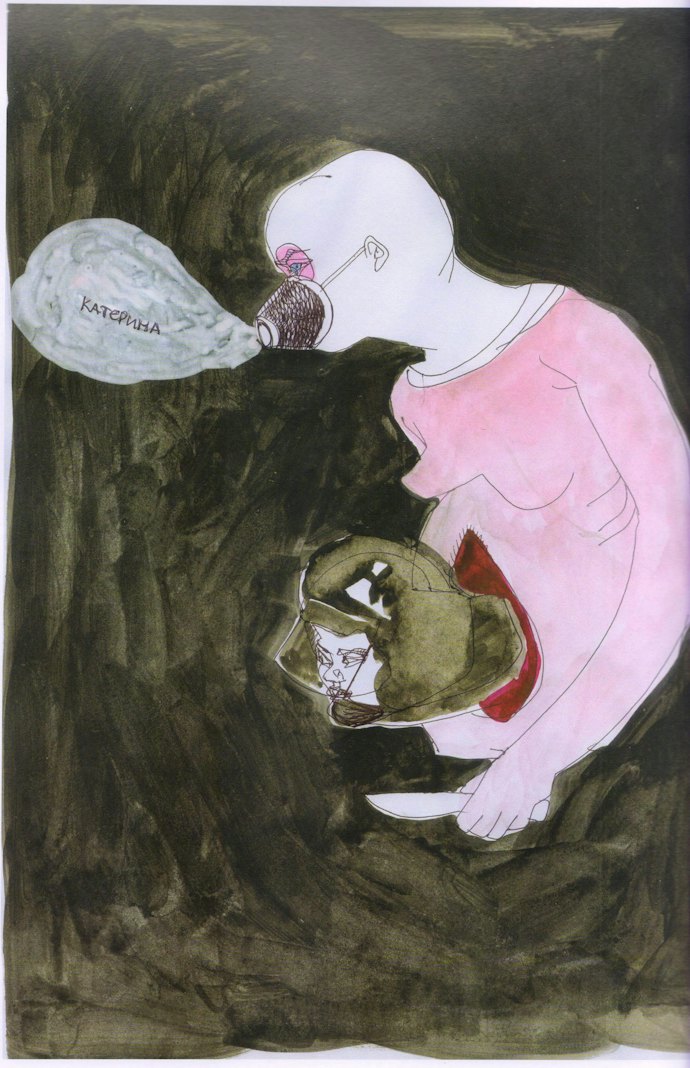
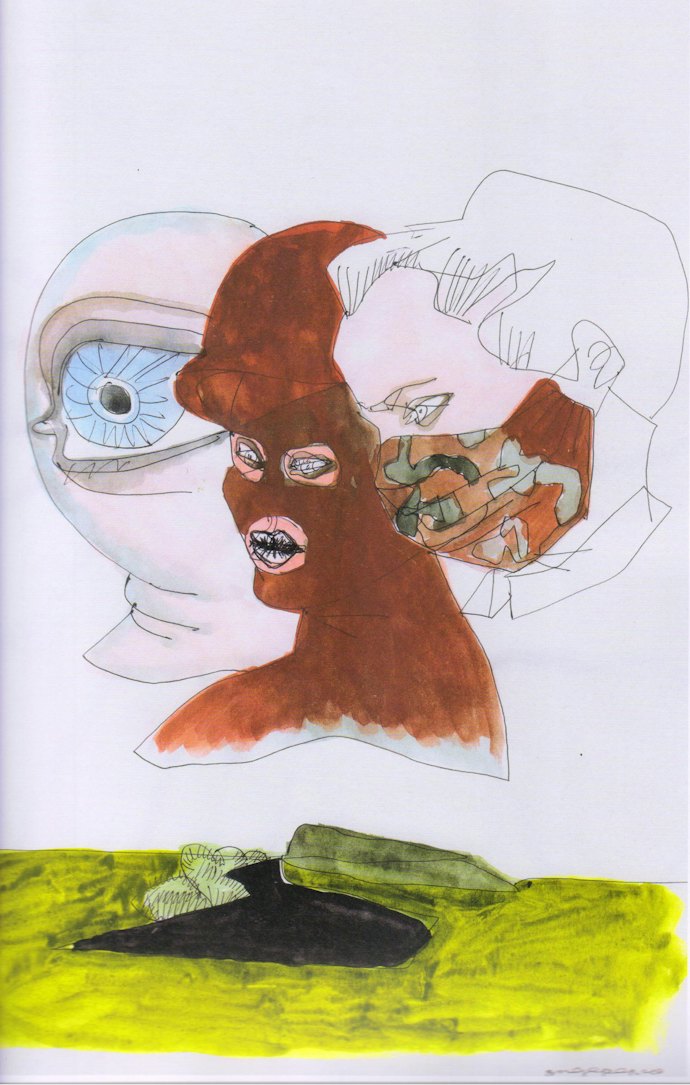
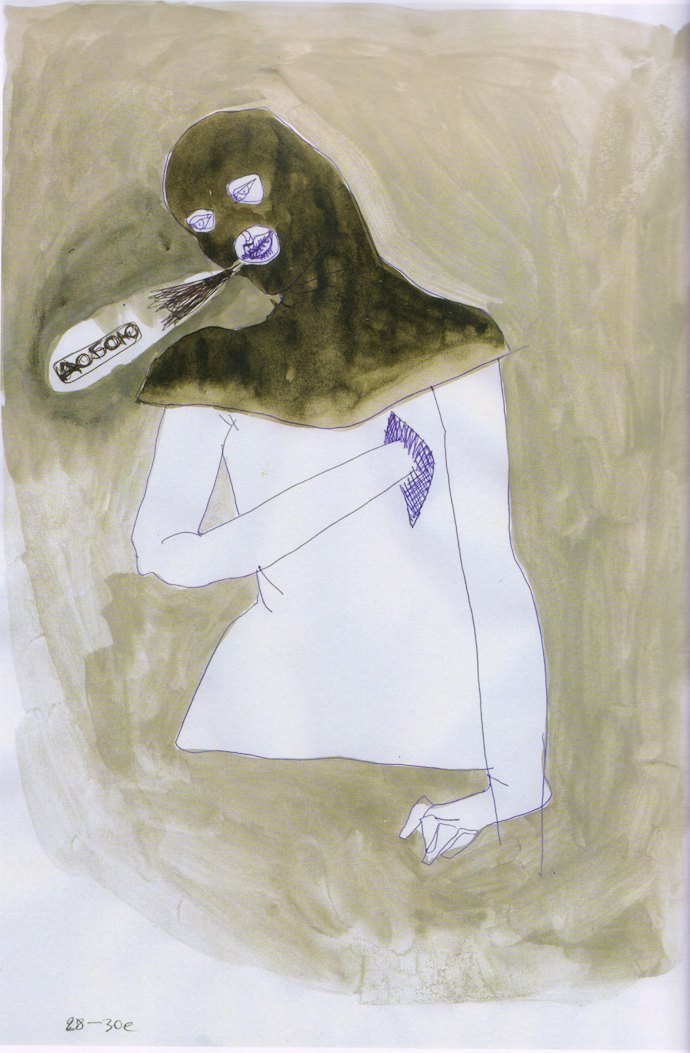
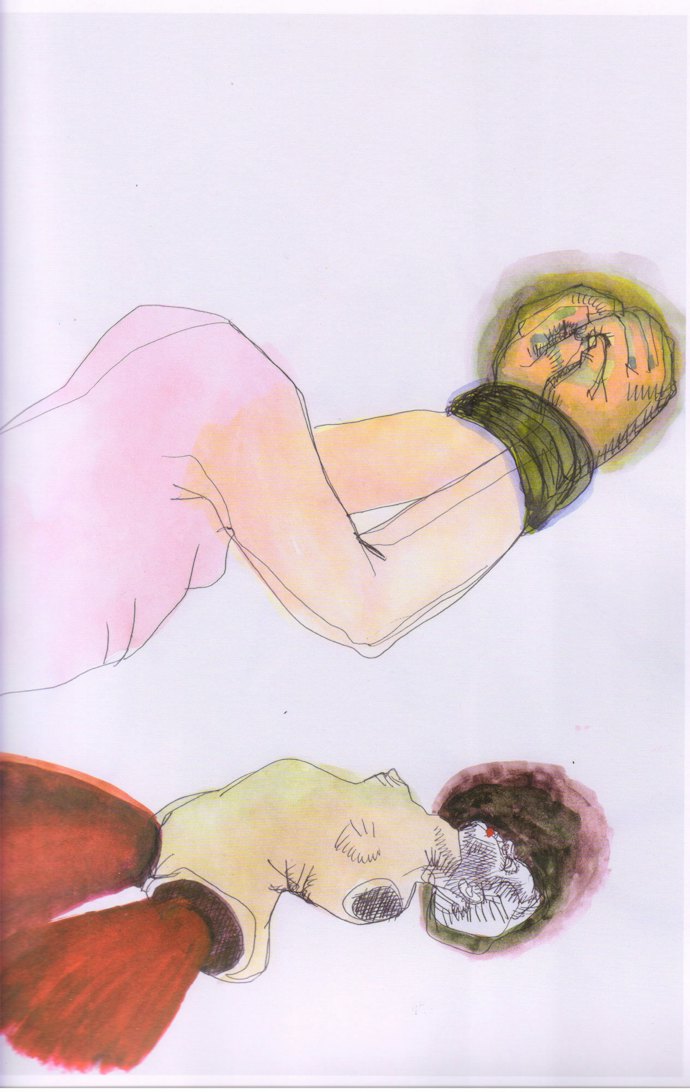
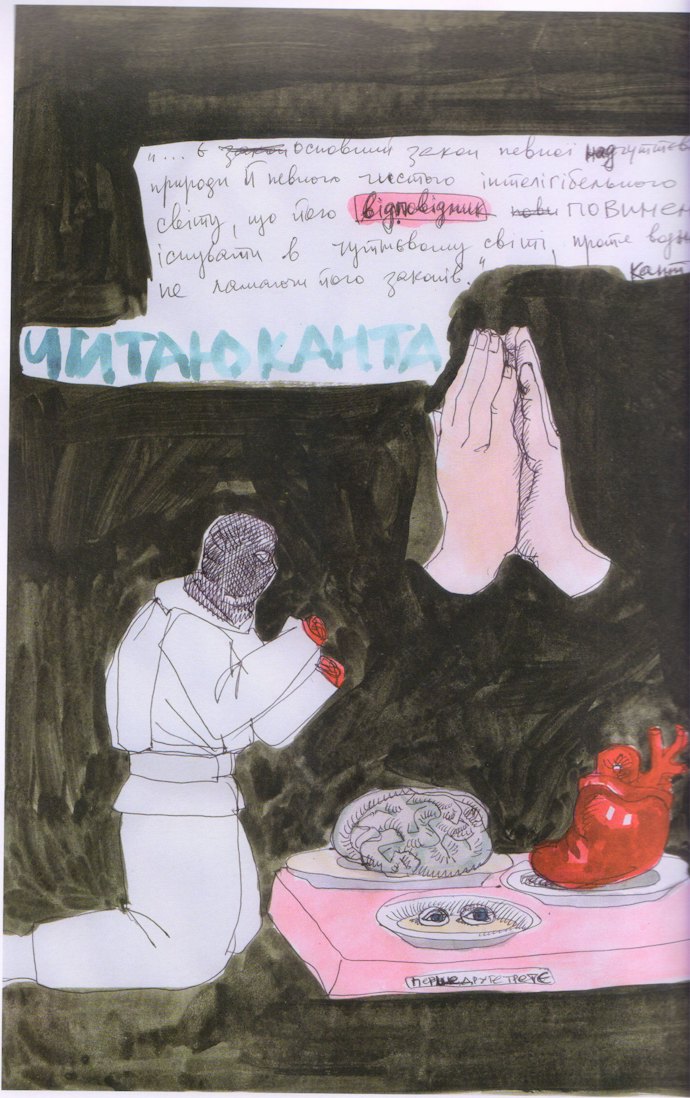
One of the artist’s most important series — “Kyiv Diary” — was created during the Maidan. Events and images, rumors and experiences from the story “being created today,” Ralko depicted in almost 400 A4-sized drawings. “Our people understood everything, they looked at the drawings literally through my eyes, but abroad they said the drawings were gloomy, asking: is this really reality, isn’t it a sign, a metaphor? There were fragments of a severed hand — we read in the news that some guy had his hands torn off. […] On the one hand, this is symbolic reality, and on the other — pure and literal,” Ralko commented.
Although many of the artist’s drawings have a documentary basis, they should not be considered as documents of the time — rather, they are documents of experiences about the time. Modern media technologies often appeal to the emotional component: news tries to shock and excite. Ralko’s works are no less emotional in essence: they are the result of deeply felt emotions both by the artist herself and by her surroundings or strangers she had to observe.
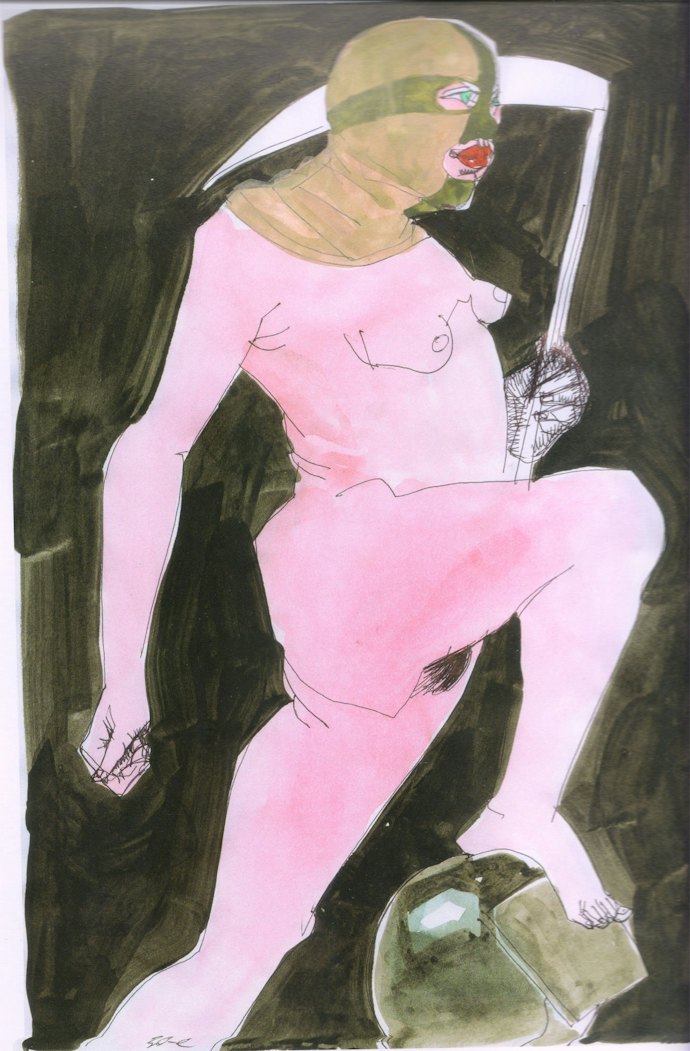
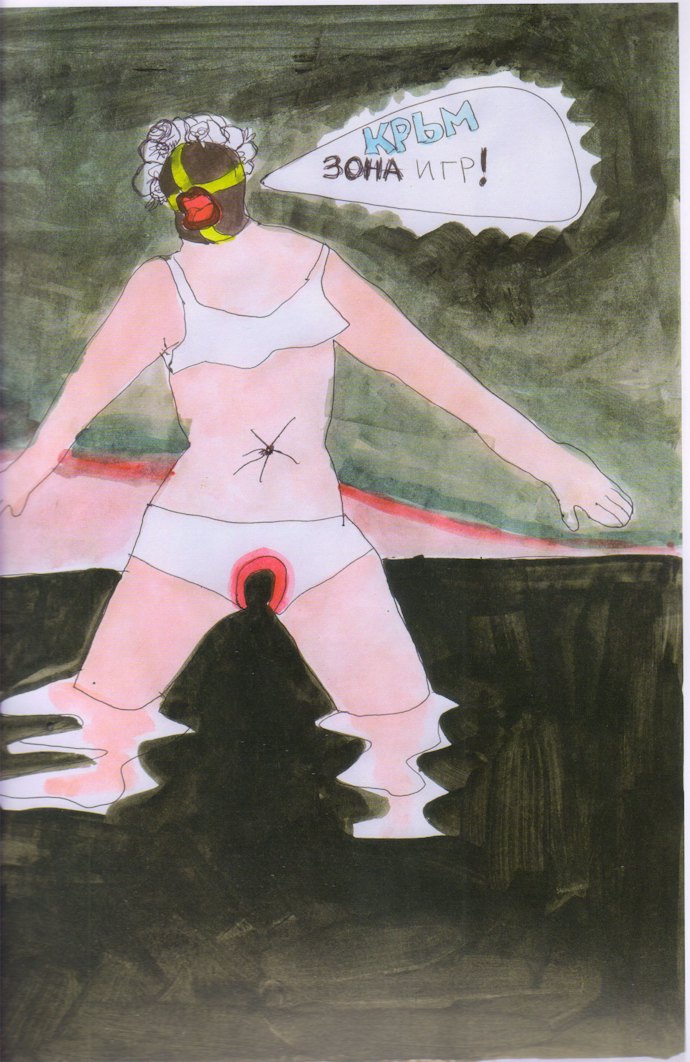
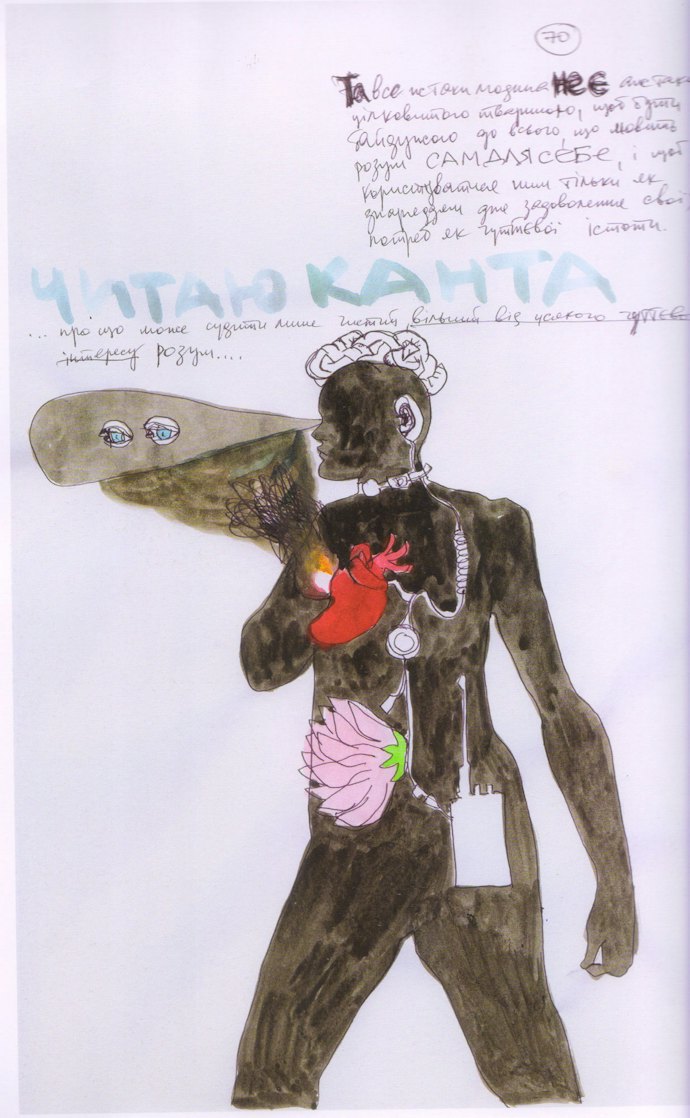
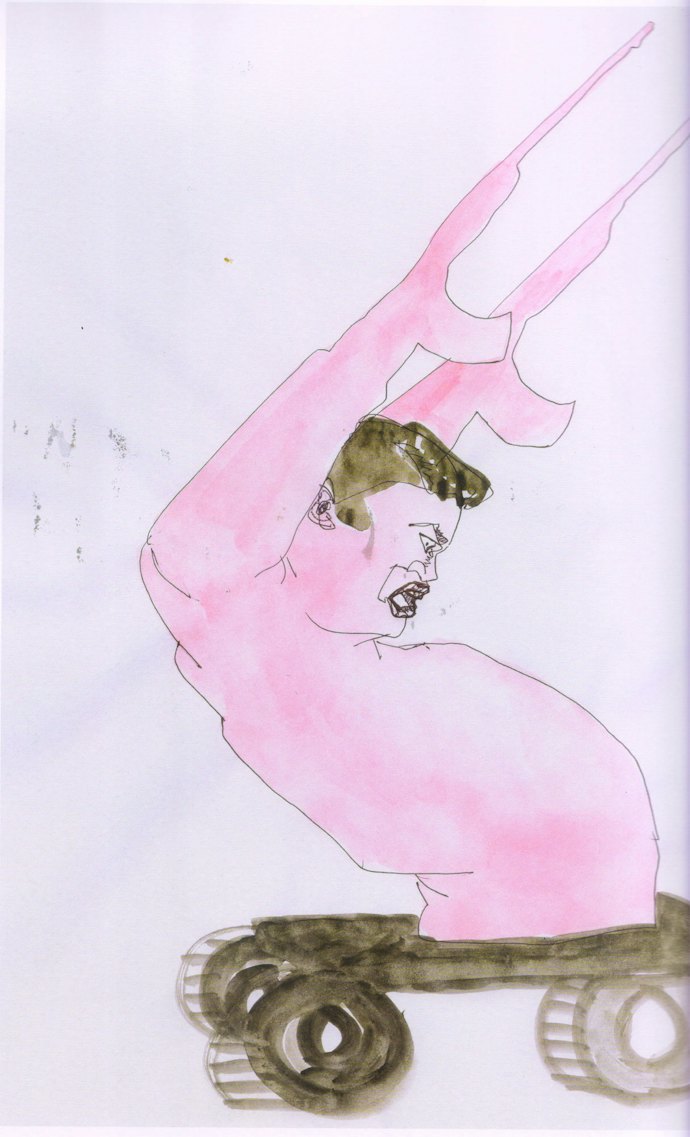
Once Vlada Ralko admitted that while creating the works, she was afraid to embellish one side — because the artist was not impartial. But her drawings turned out to be far from glorification: they contain fear and pain, but no courage or joy. If at one time Boris Mikhailov created his “history of illness,” which appeals to Soviet reality, then Ralko recorded the history of today’s illness — more precisely, the process of “infection”: despair and distortion of reality. That is why her heroes are “distorted,” their flesh is often depicted as ugly and shocking. As art critic Oksana Barshynova aptly put it, “Kyiv Diary” is a visual experience of the “Ukrainian Apocalypse.”
In some works of this series, the artist placed quotes from the German philosopher Immanuel Kant, whom she was reading at the time and for whom the highest value is the human being. Ralko admitted that she is interested precisely in the nature of this “human.” “I am interested in the human — at those moments when it leaves the person or returns to them,” the artist said.
The central and first image from which the series began is a person in an eye costume. This real person, whom Ralko met during the Maidan, embodies many contexts: media dictatorship, inability to see independently, state control over society.
In the power of Khrushchyovkas
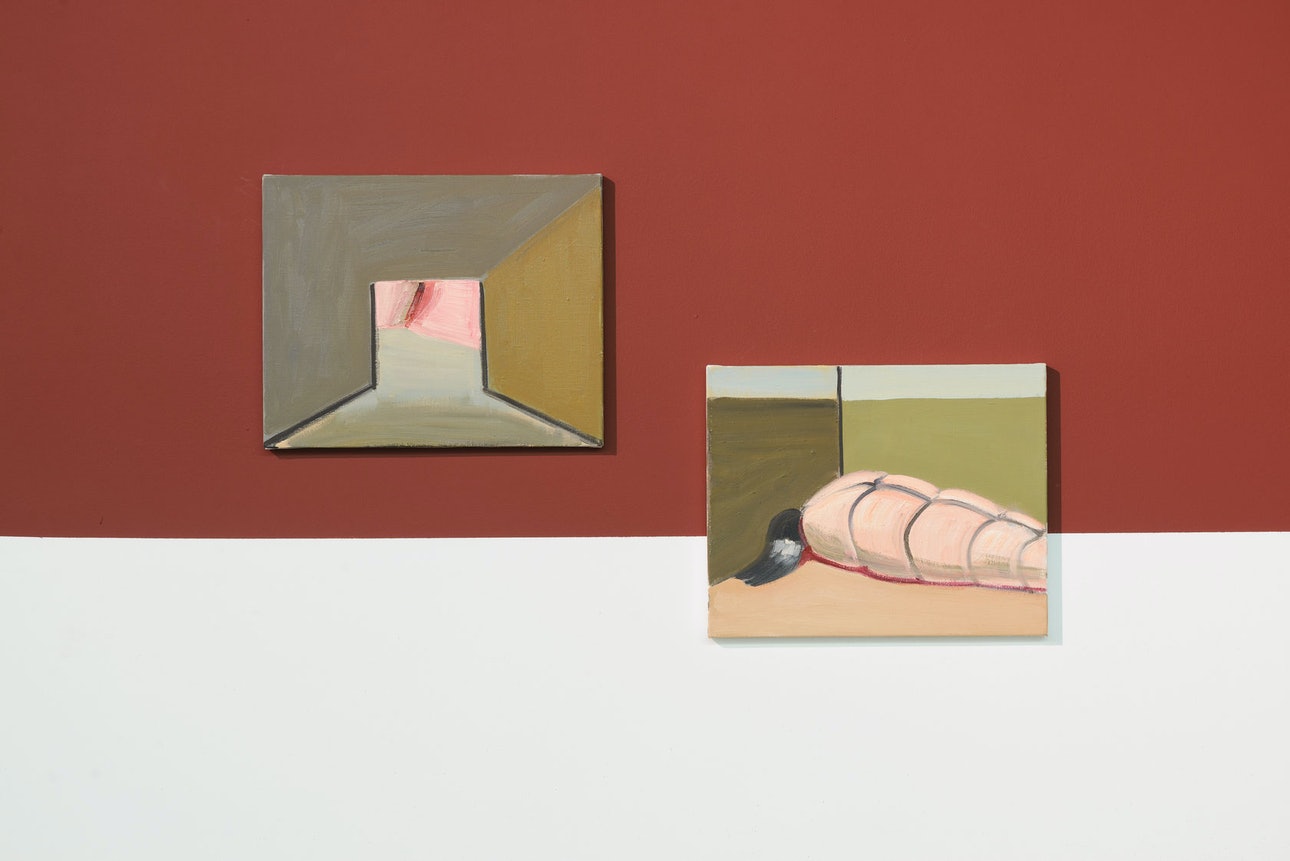
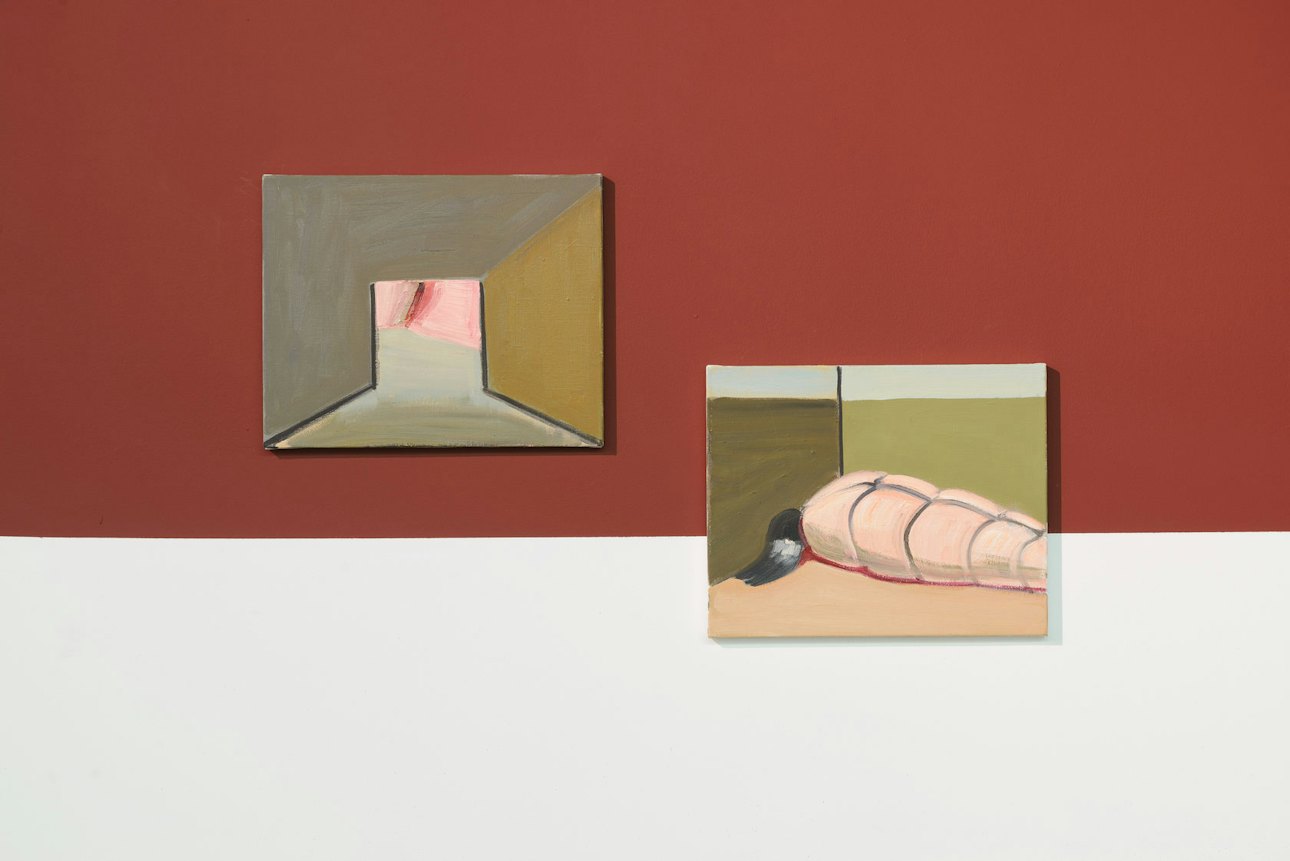
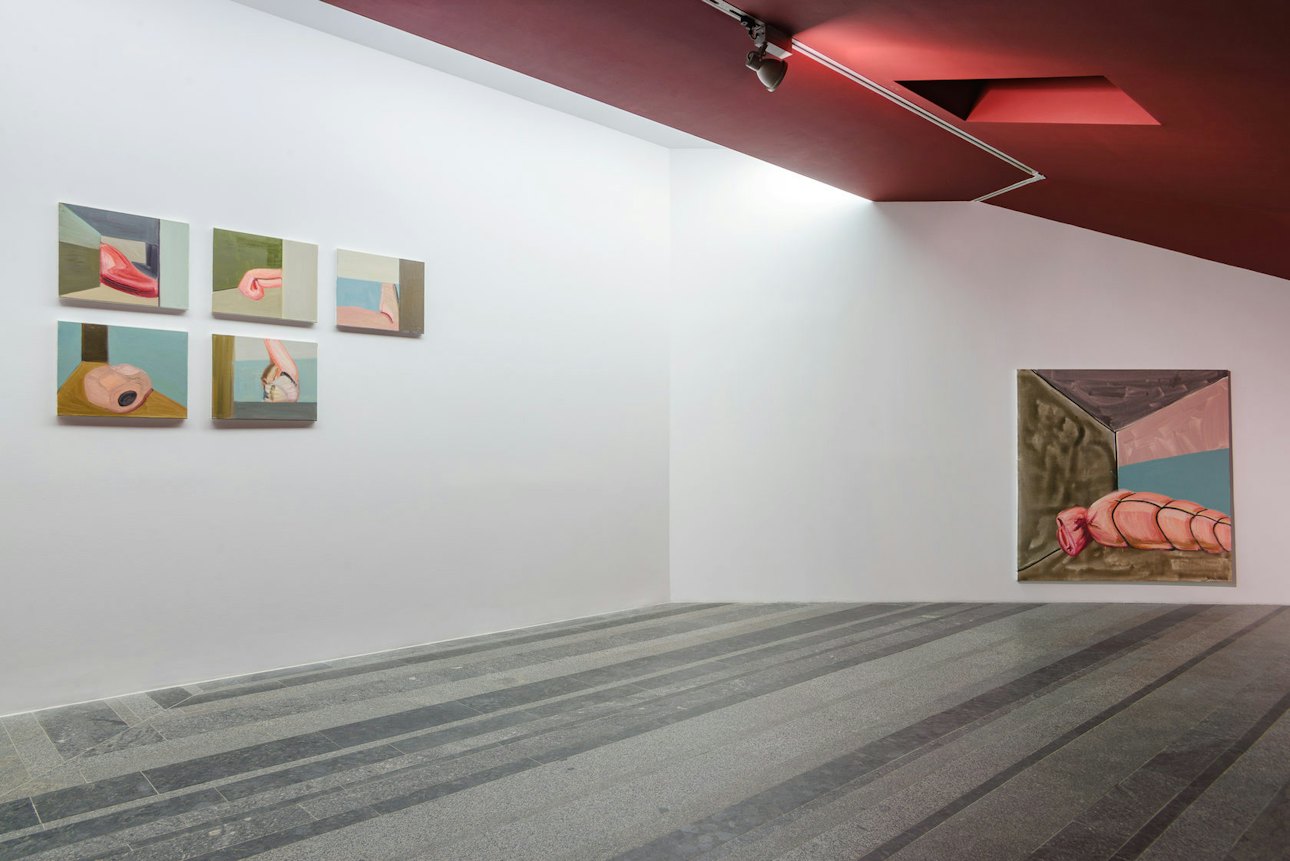
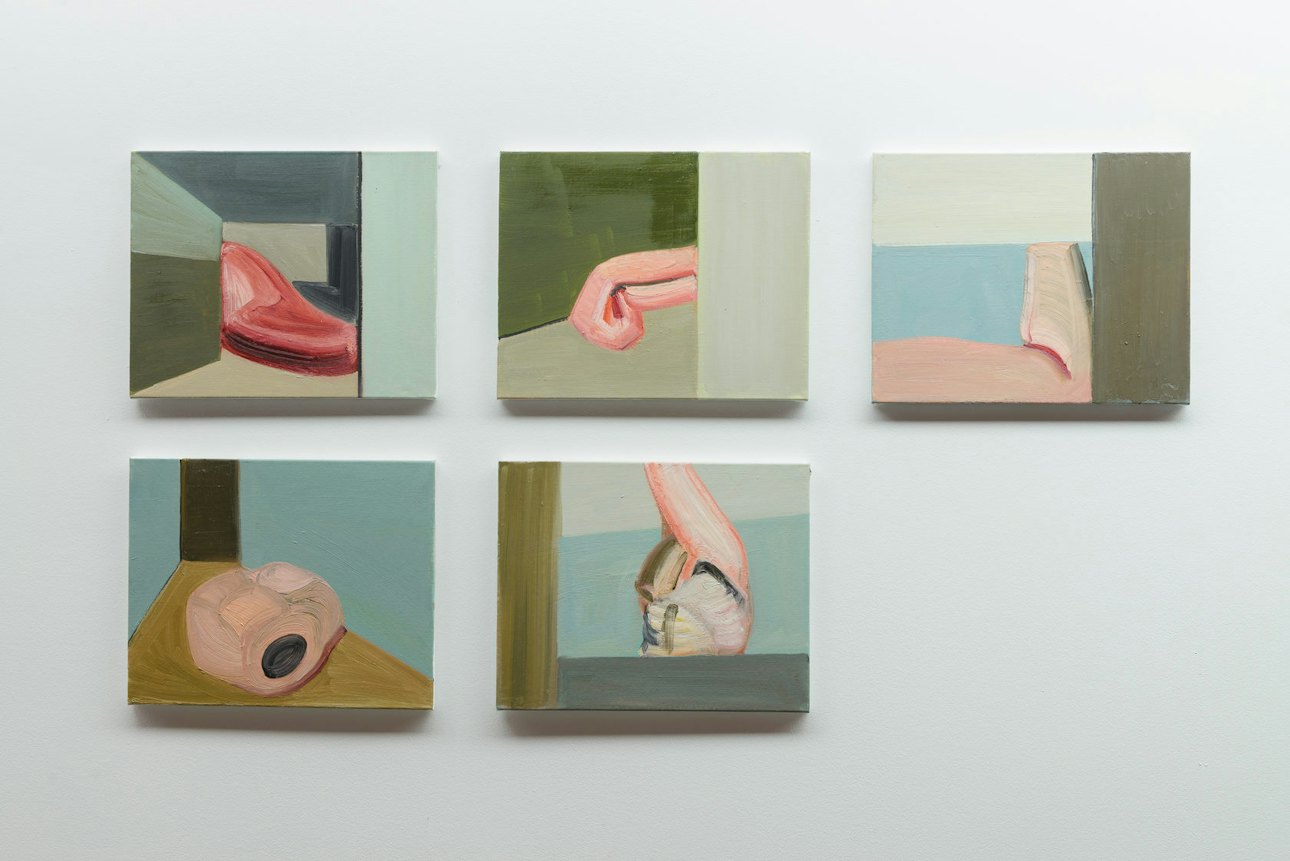
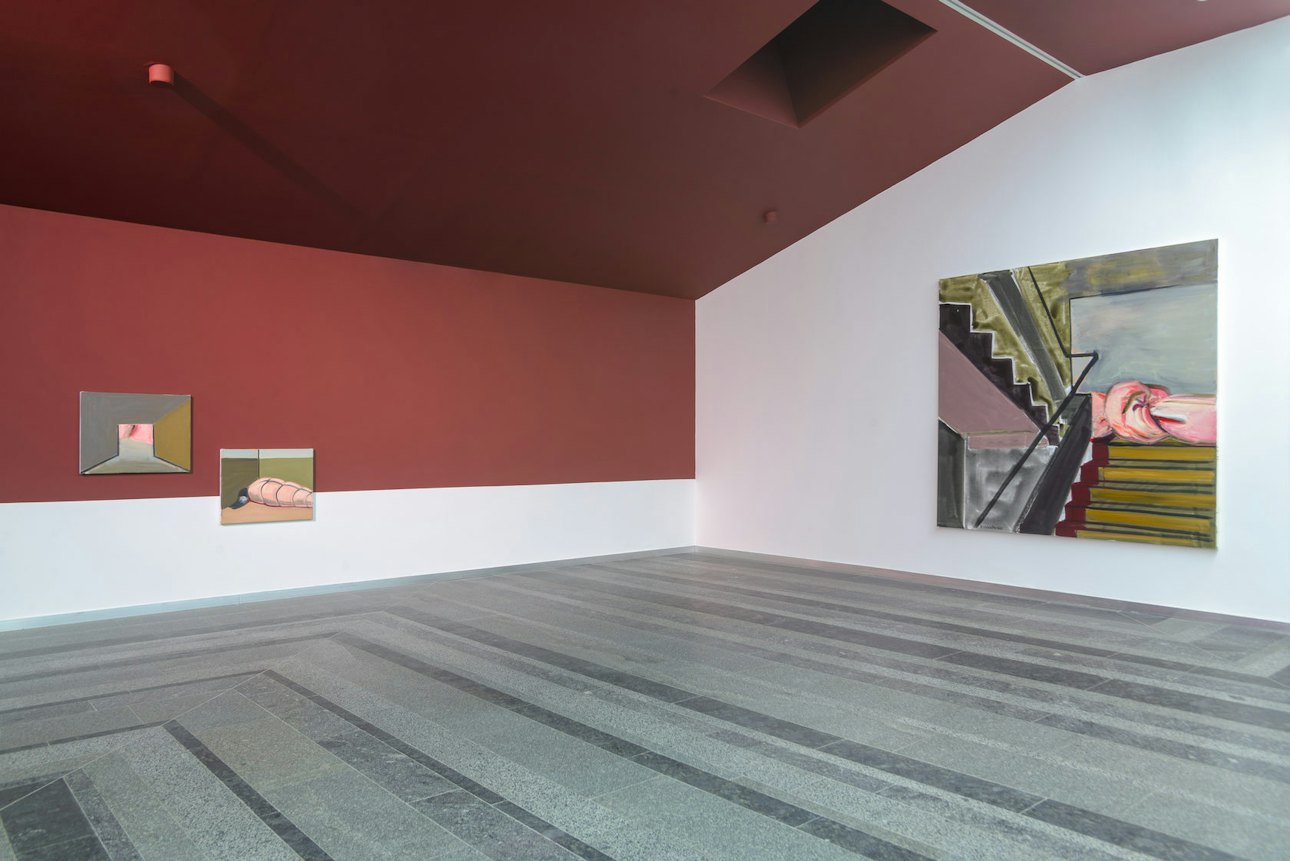
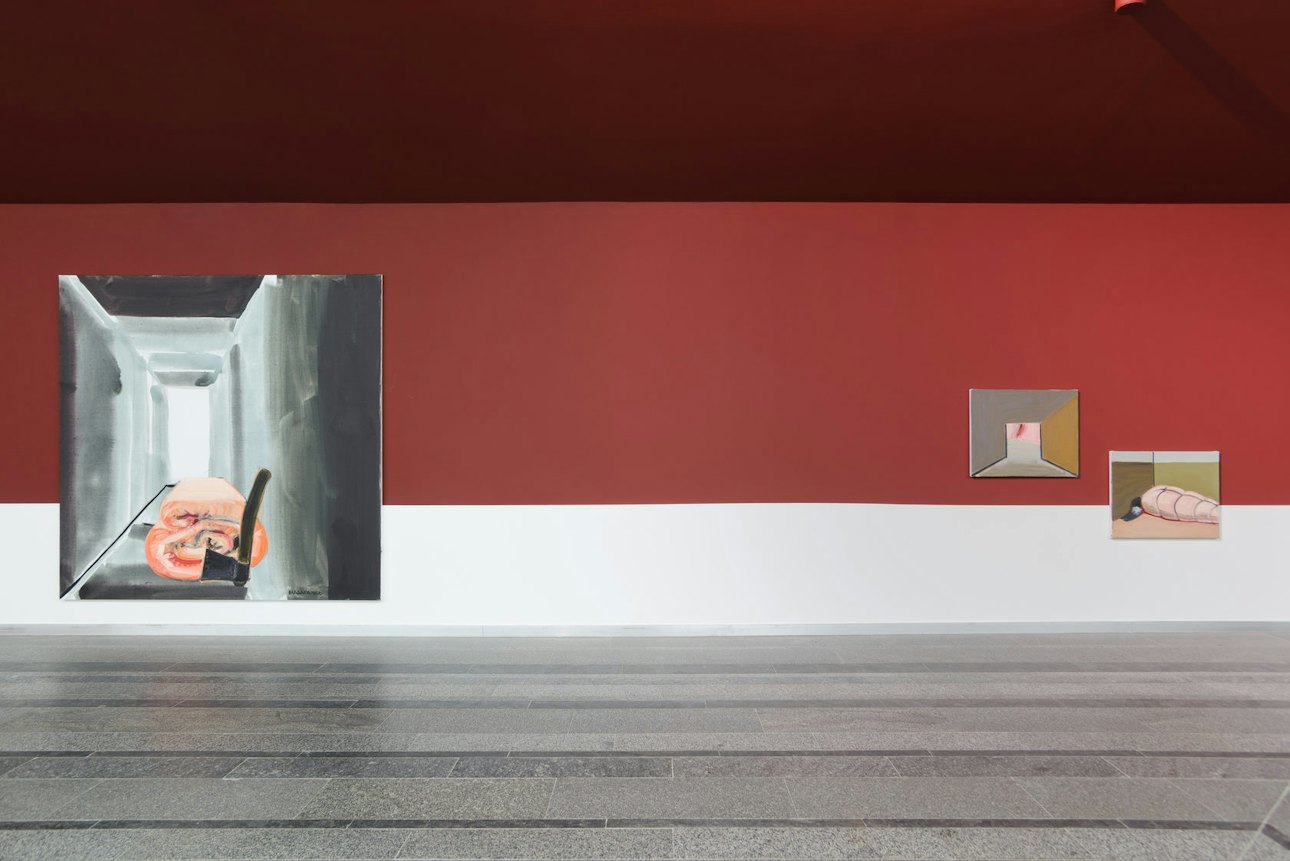
One of Ralko’s latest series — “The Ghost of Freedom” — is dedicated to public space. Stair landings and openings from Soviet times in her works “devour” the personal space where a person can be free. Their body is forced to adapt, compress, bend, and twist to fit the environment. Under this architectural pressure, the body and the person themselves become surreal and deviant.
The title of the series immediately recalls several works. On the one hand, it is a direct reference to the 1974 film of the same name by Luis Buñuel, and on the other — to Karl Marx’s “Communist Manifesto,” where the ghost of communism wanders through Europe.
The space depicted by Ralko is mostly Soviet architecture; her ghost of freedom is the unreflected past and present that press on the person with the walls of Khrushchyovkas, ruined playgrounds, and poor infrastructure. Such a past cannot be decommunized, it cannot be demolished like monuments to Soviet leaders because it remains inconspicuous.
Gaping vaginas
Art critic and critic Anya Bazdyreva notes that with her drawings Ralko “evokes disgust or even physiological and psychological discomfort,” and suggests considering her work through the prism of abject art — disgusting art. “In Ralko’s works there is the whole set: repulsive dismemberment of the body, the depiction of which has specific connotations of identity, intrusion into it and violation of its symbolic order. Moreover, hypertrophied female bodies with huge bloody wounds gaping vaginas — this is abject — the experience of formation/destruction of identity through rupture with the mother or literally exiting from her,” Bazdyreva writes.
Indeed, female images dominate Ralko’s works. In Ukrainian artistic tradition, they were mostly associated with the oppressed principle: for example, images of peasant women referred to the tragic history of the Ukrainian people. The woman always personified the land or the country, and the man — power over it. In Ralko, the woman appears in both positions — oppressed and oppressor; in her, the unsettled and the powerful coexist.
Vlada Ralko has been developing her artistic practice since the mid-1990s. This was a time when many artists were forced to go into commerce and related professions, leaving art — some for a while, some forever. Finding herself in this difficult historical moment, Ralko conveys human pain, experiences, and the tragedy of the time in her works — just as painfully and tragically.