
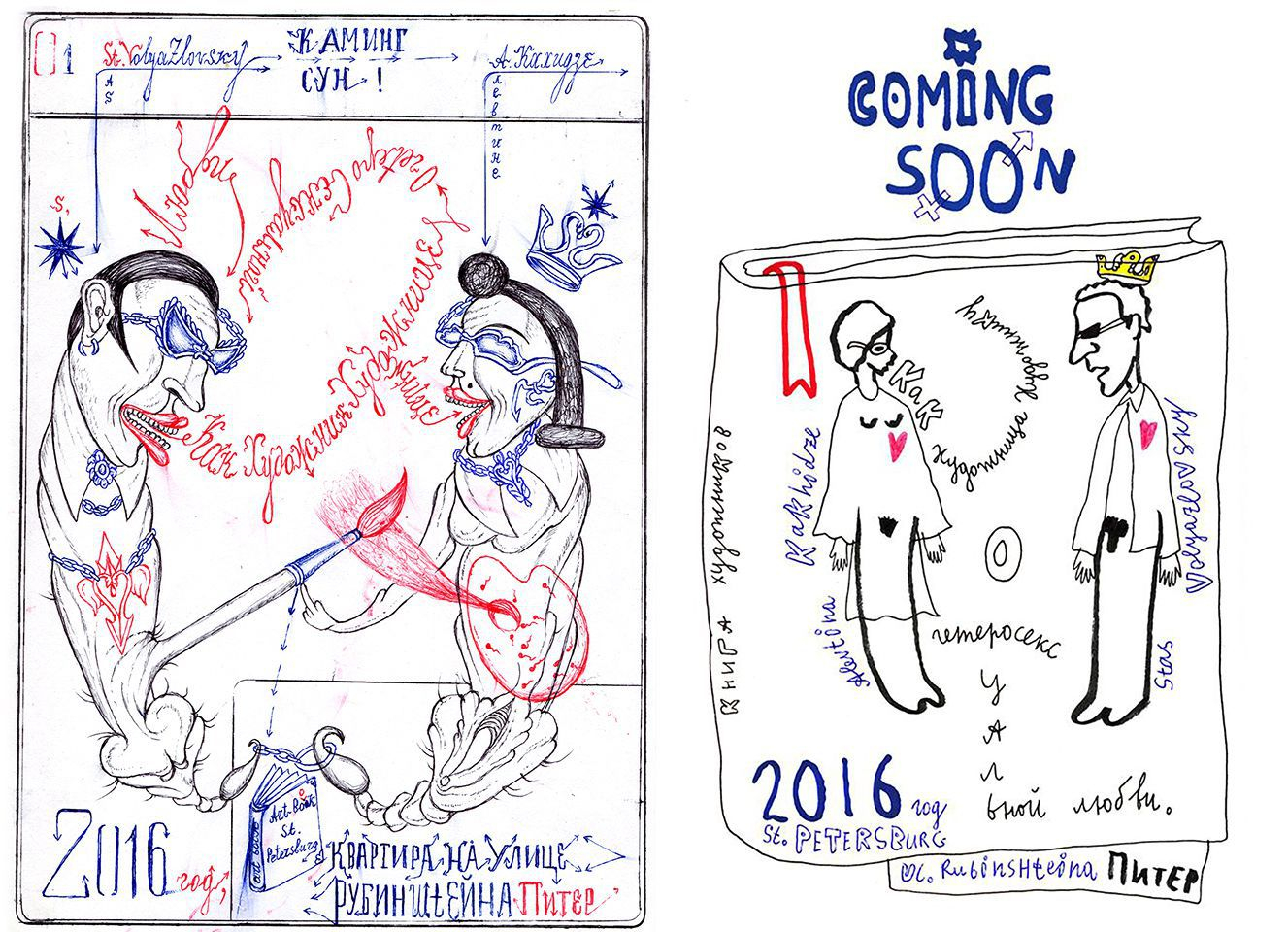










Don’t let such a “lean” message scare you off. When an art book is made by S. Volyazlovsky and A. Kahidze, unexpected “twists” are guaranteed. Such different artists, united perhaps only by the status of Malevich Prize laureates, – in one residency…
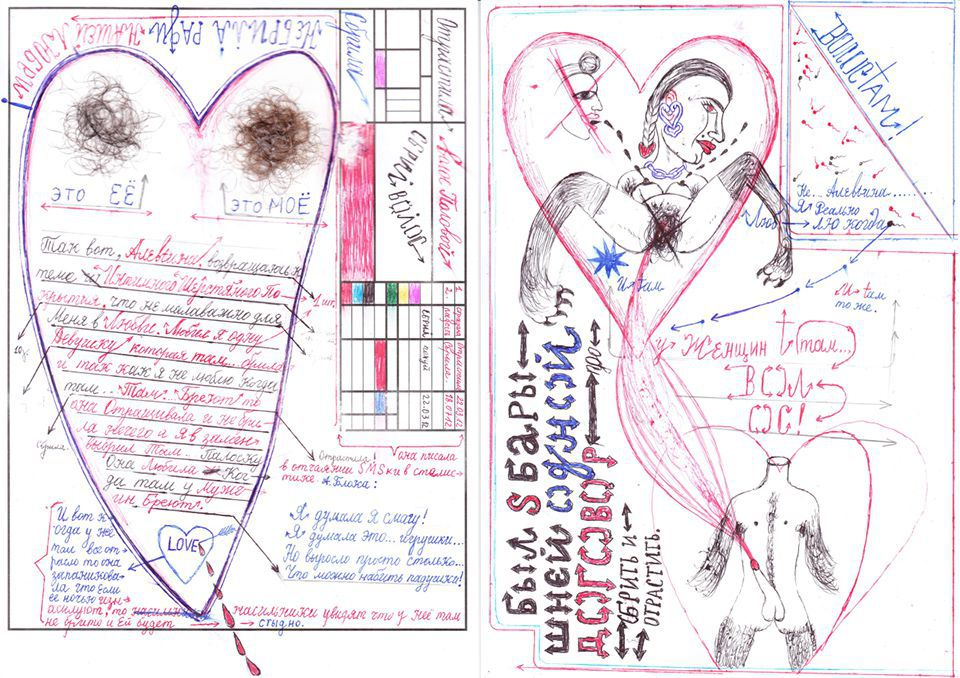
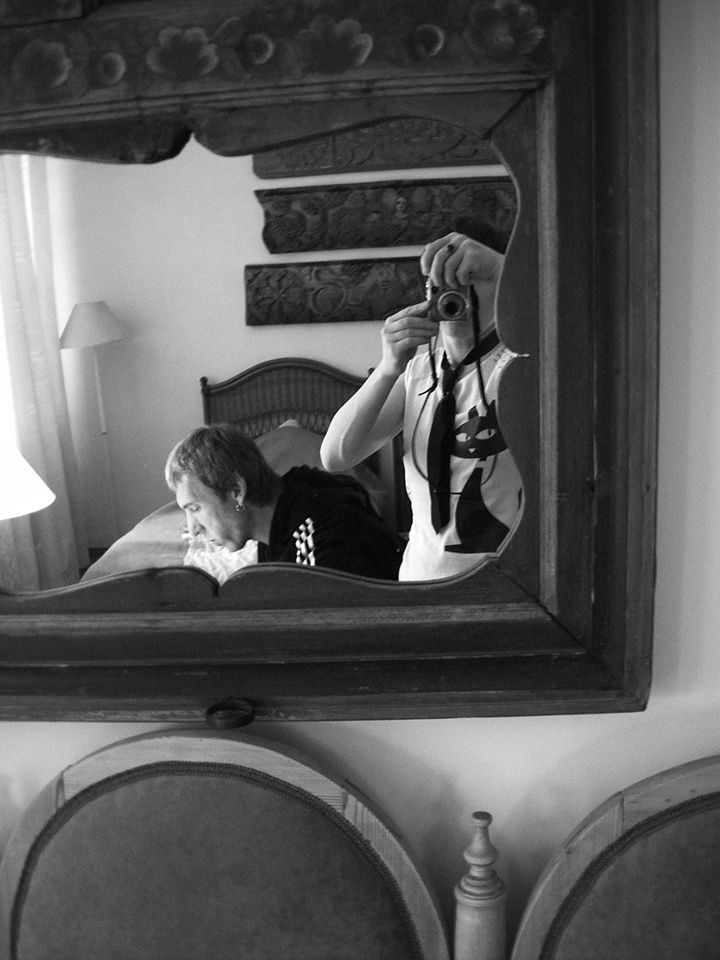
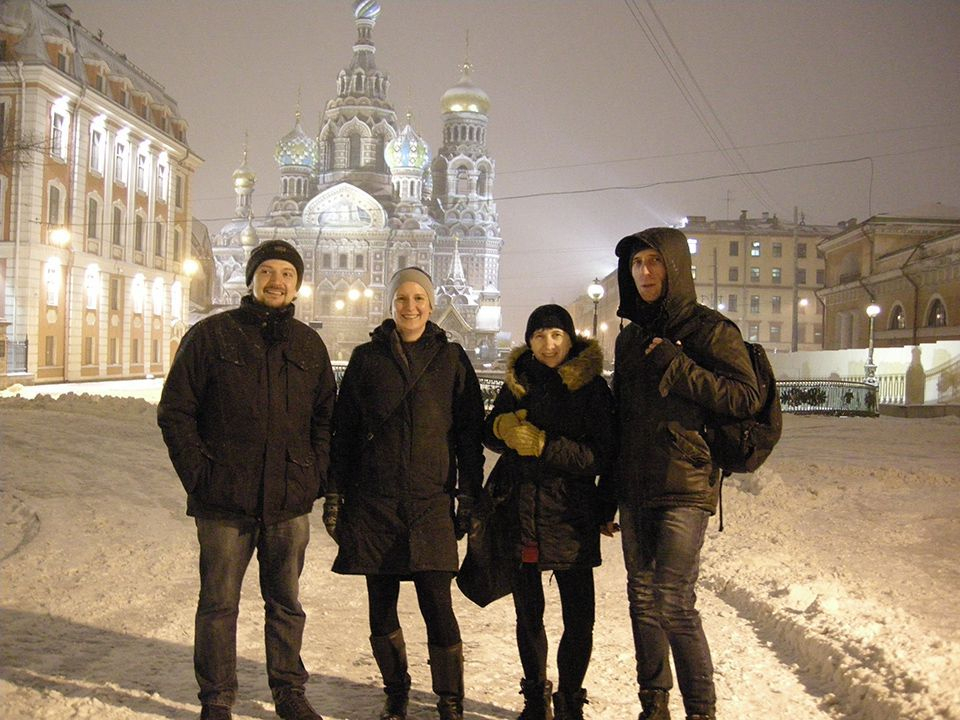
The residency (February 17-29) in Saint Petersburg was organized by CEC ArtsLink – an international institution whose mission is to strengthen connections among creative professionals. This time Ukraine was represented by Stas Volyazlovsky and Alevtina Kahidze. A week of intensive work on creating an art book within the Artist’s Book project “How an artist to an artist / How an artist (female) to an artist (male)”. What did the “mytsi” share? The same thing – “An honest conversation conceived between an artist (man) and an artist (woman) through drawing and text about monogamy, feminism… everything that has direct and indirect relation to heterosexual love.” The results of this conversation were presented on February 25 at the exhibition “From Kherson and Muzychi” at the Taiga Gallery.
And we present the results of the conversation with Stas – so diverse that the art book is already somewhere drowning in the deep waters of his epic reflection. We drown with him. But this dive is so good that surfacing prematurely is not recommended☺ Decompression sickness, you know, and other crap (pardon, imitating the “mytsi”).
“And in general, the book is about
monogamy”
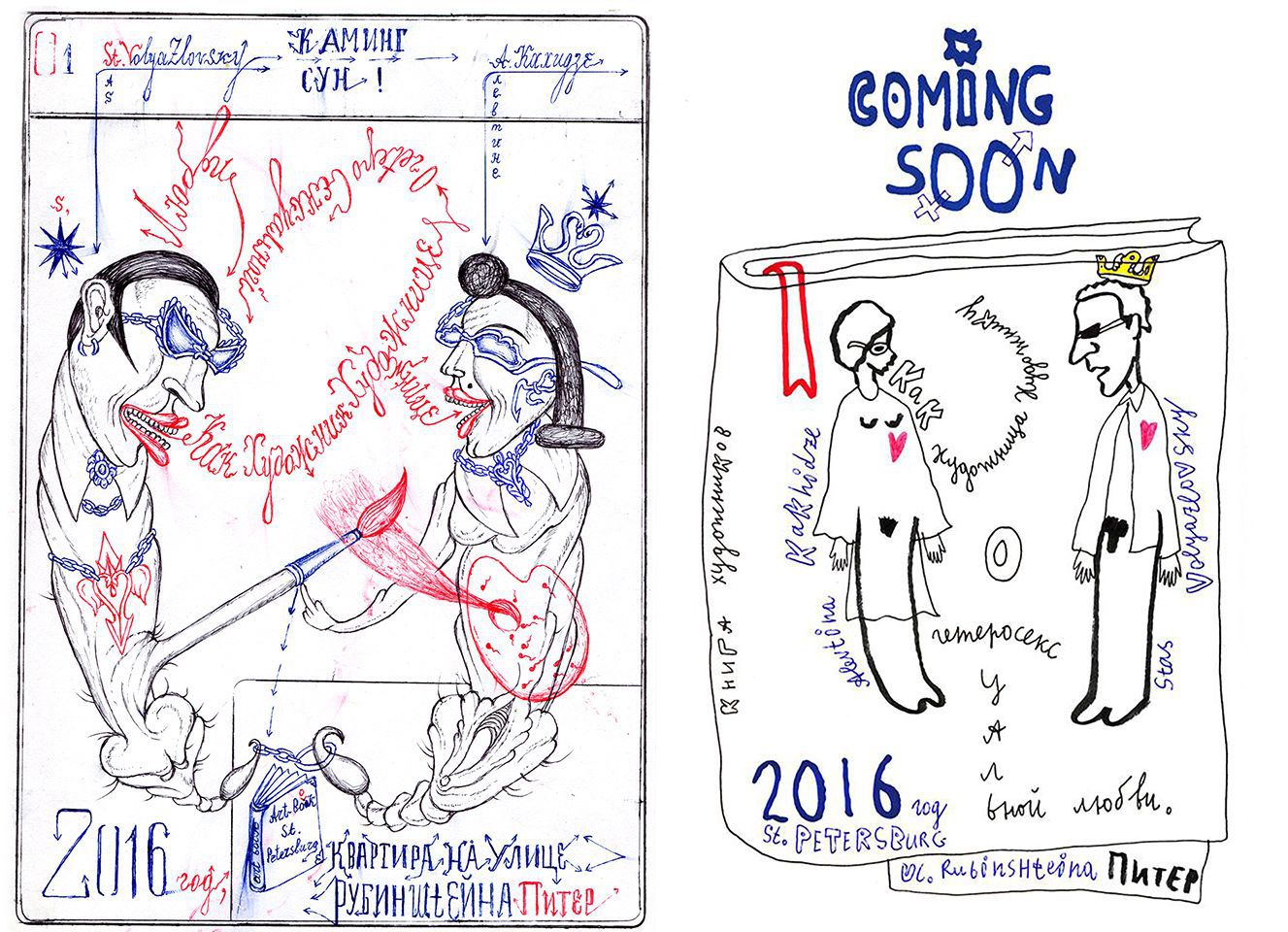
– Alevtina and I were invited to make an art book. About heterosexual relationships. And I told this very intimate concept to the customs officer at the St. Petersburg airport, who was persistently interested in the “purpose of the trip”.
– In such a solemn manner?
– Well, I explained to him that we came to draw a book about “proper” relationships – when a man is with a woman. As it should be. And in general, the book is about monogamy. Judging by his face, this word meant nothing to him. By the way, I myself recently discovered it for myself. In short, I explained that it’s when a man and a woman live together for a long time. I mean, live. The customs officer’s face somehow saddened, so I added that it really is a big effort – to live together long and happily with the goal of dying on the same day.
– And how about you – living long with one person?
– Well, I spent 9 years in one of my marriages. Then monogamy… became non-monogamy. I didn’t just educate the customs officer. Now Alevtina knows what “cunnilingus” and “fellatio” are – from my words. And even in her drawings, stylized pink fellatios appeared. We spiritually enriched each other. That’s our “diversity” now. At first, this conversation was in the form of correspondence on Facebook. Then it turned into a live dialogue – and we illustrated all of it. At the “Taiga” gallery, we showed the finished part of the book, plus videos – mine and Alevtina’s.
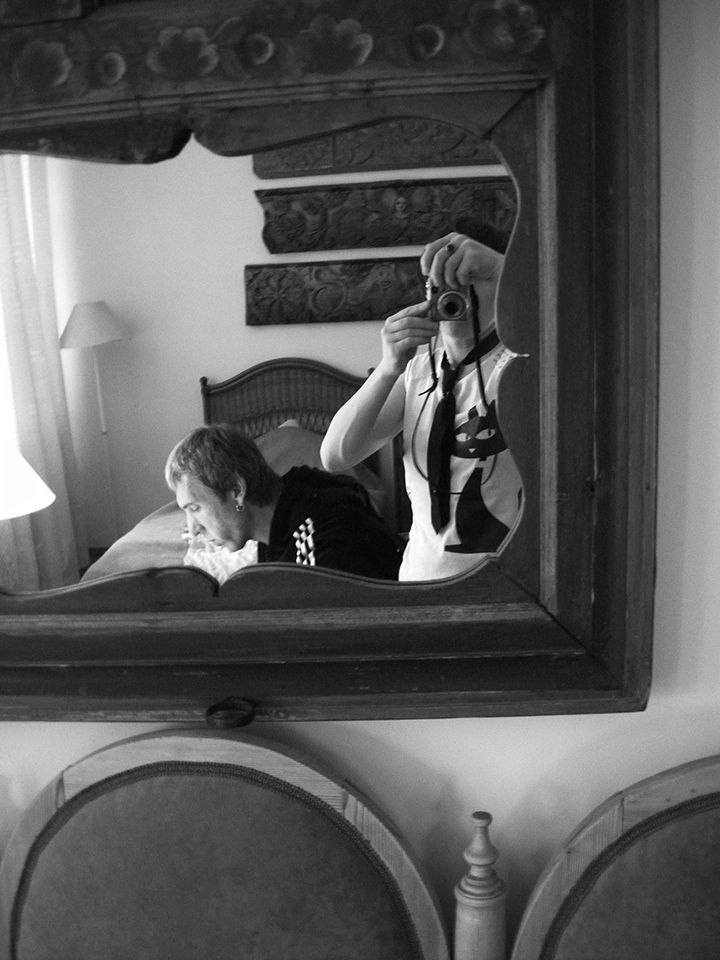
– Was it comfortable for you to work with Alevtina?
– Surprisingly, yes. I was afraid of what might come out in the end – we are very different, both in visions and technique. But my brutal chanson-art is very harmoniously complemented by her airy drawings and fonts. It’s a great experience, I’m glad we managed to create something together.
– And how did you get along in everyday life?
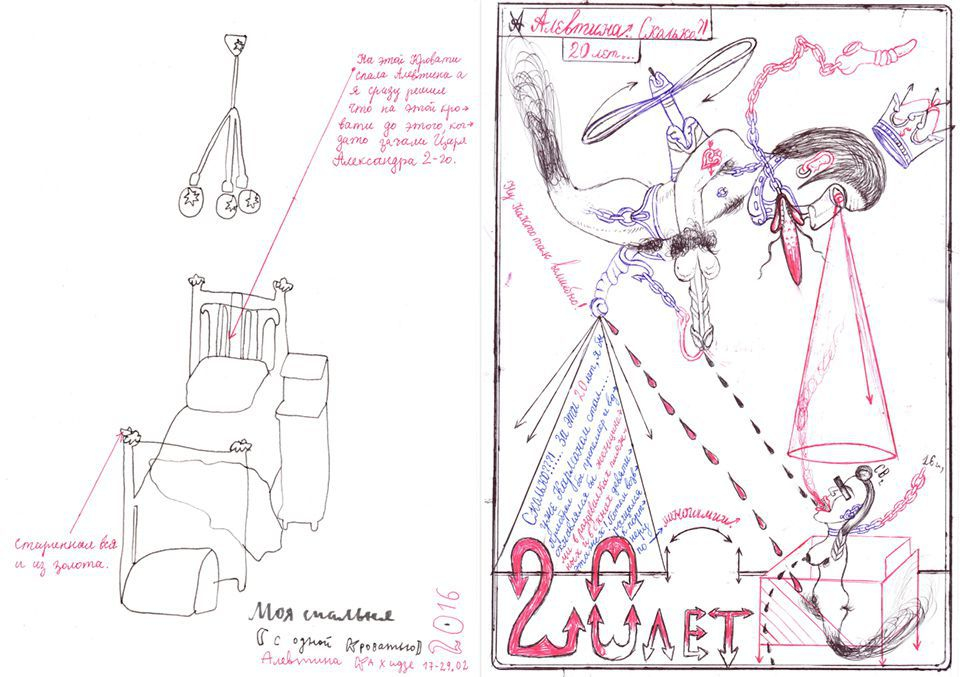
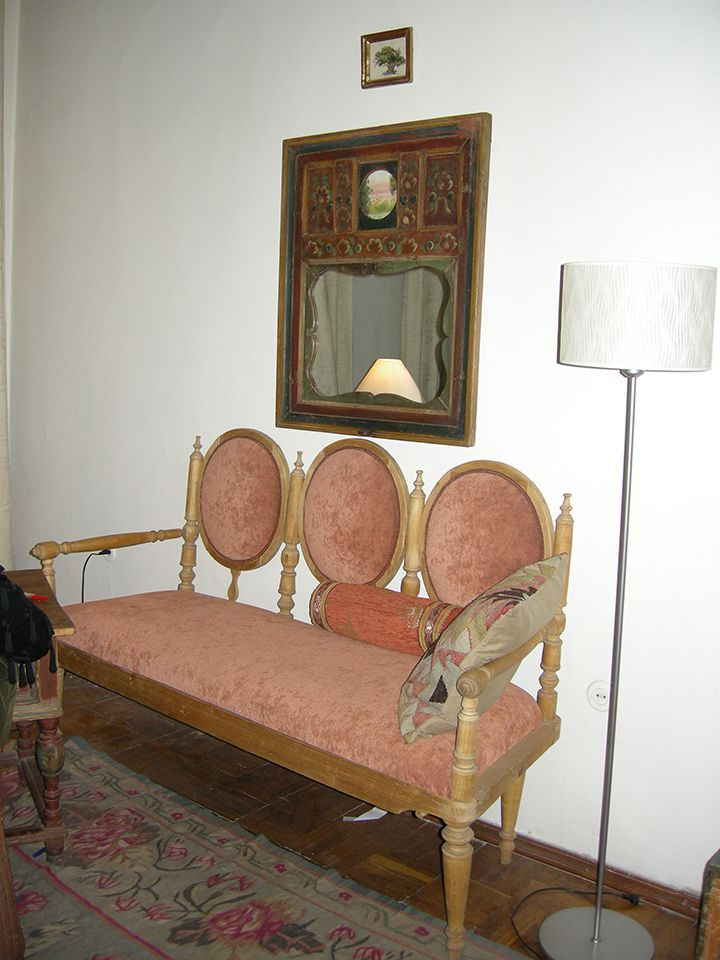
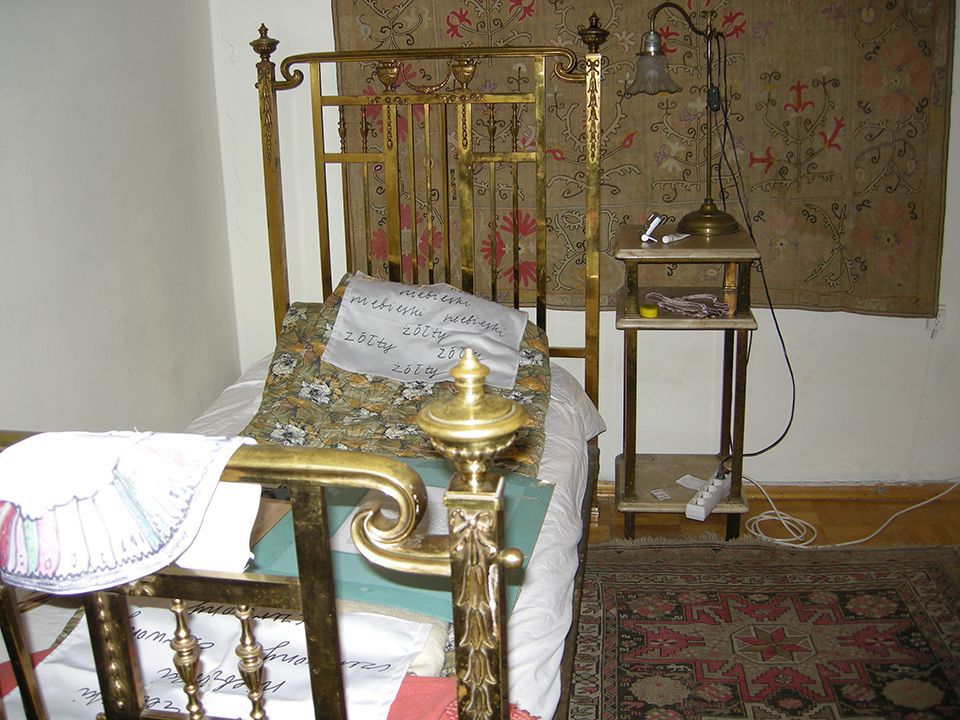
– Great. We lived in a wonderful apartment on Rubinstein Street. The legendary Leningrad rock club is located there. The apartment was furnished entirely with antique furniture. There was a golden bed, well, made of yellow metal, whose pompous appearance made me think that at least Alexander II was conceived on it. It had some wreaths, eagles, and other crap in classicism style. Also, its washers were unscrewing. I unscrewed them all. I thought there might be money or royal diamonds hidden there. Nothing. Bare. I screwed them back for a long time. I gave up on it – not out of respectful awe or monarchism (which I have). It’s just that once in Tunisia I had an iron bed, and when I raised my head even without intercourse, decorative forging instantly stabbed me. So this bed went to Alevtina.
– Didn’t she get scared?
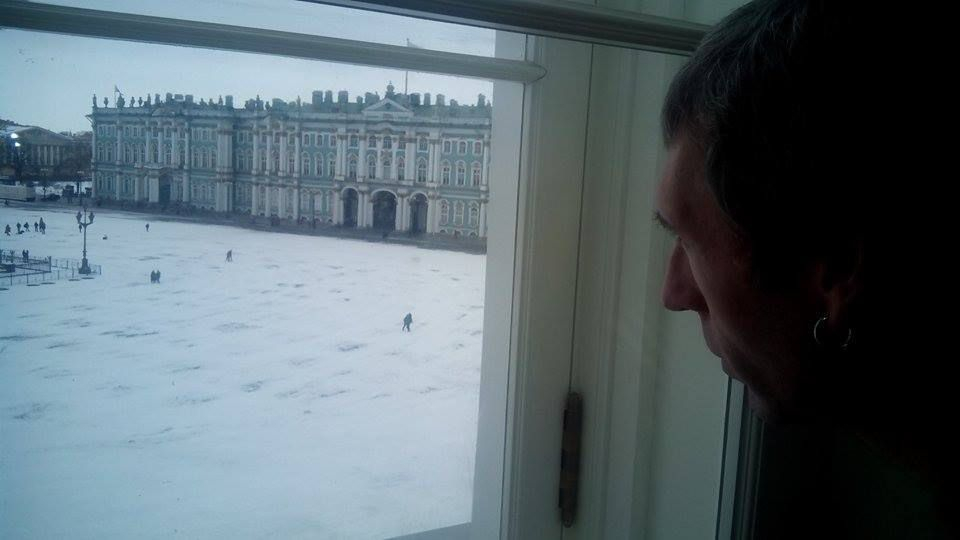
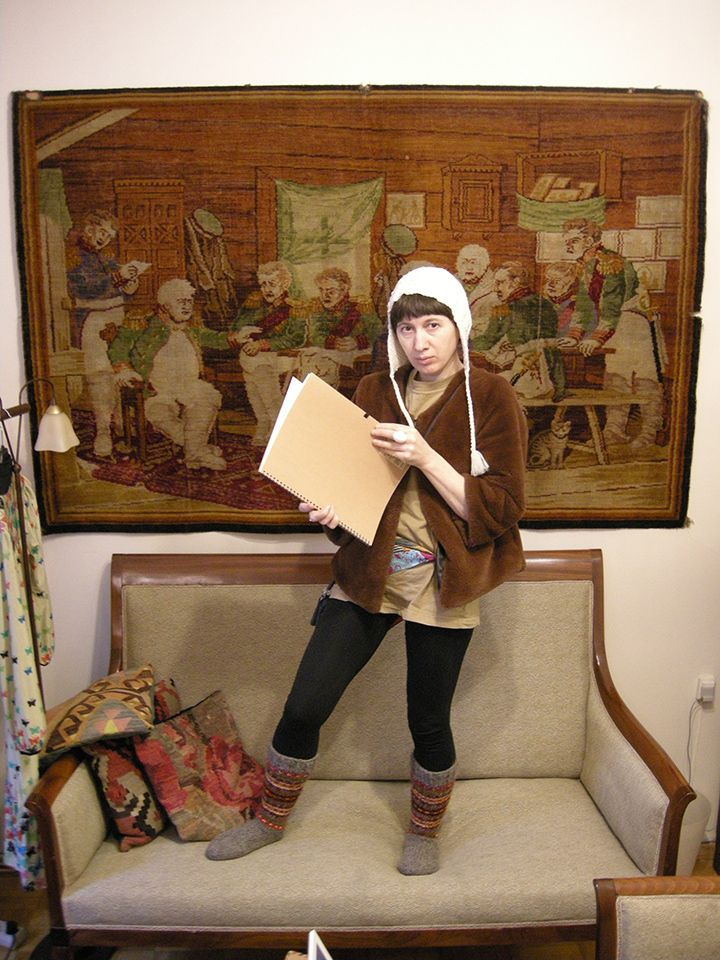
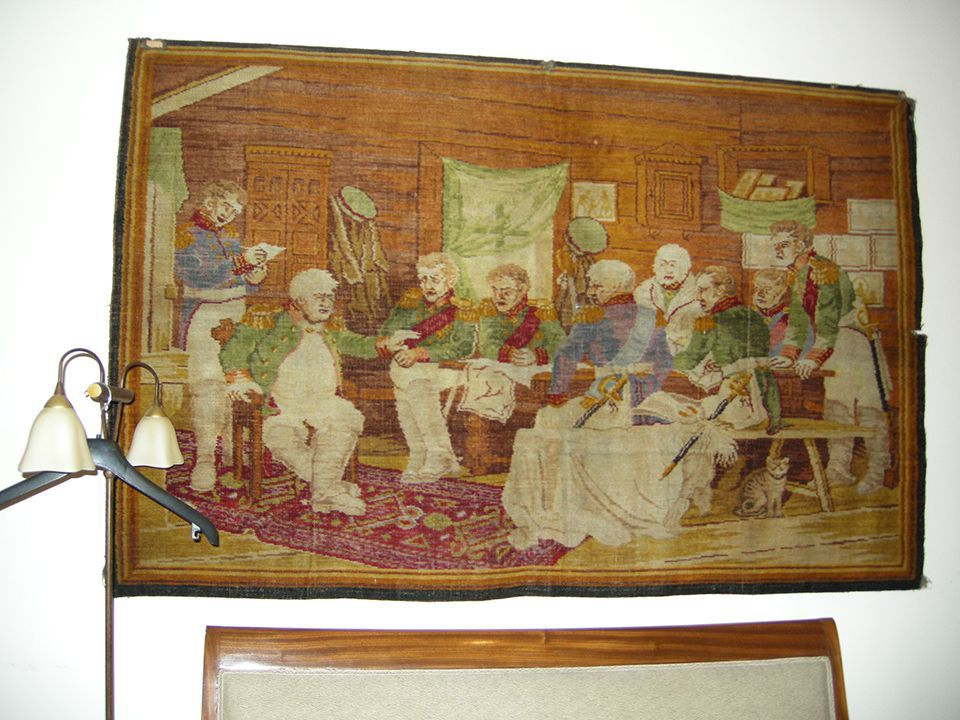
– She liked it. She didn’t hurt herself on it. Also, in her room besides the royal bed was a rug of dubious origin with a badly printed plot of the 19th-century painting “Military Council in Fili”. There Kutuzov at the meeting decides to surrender Moscow to the French. I would have liked that rug for creativity… Such idiots were at that council, a bit drunk… During my visits to the Hermitage, I was fascinated by 15th-century tapestries. Just a dream to temporarily work there as a restorer. I would have patched up so many holes where moths had eaten the noble wool. Textile is my thing.
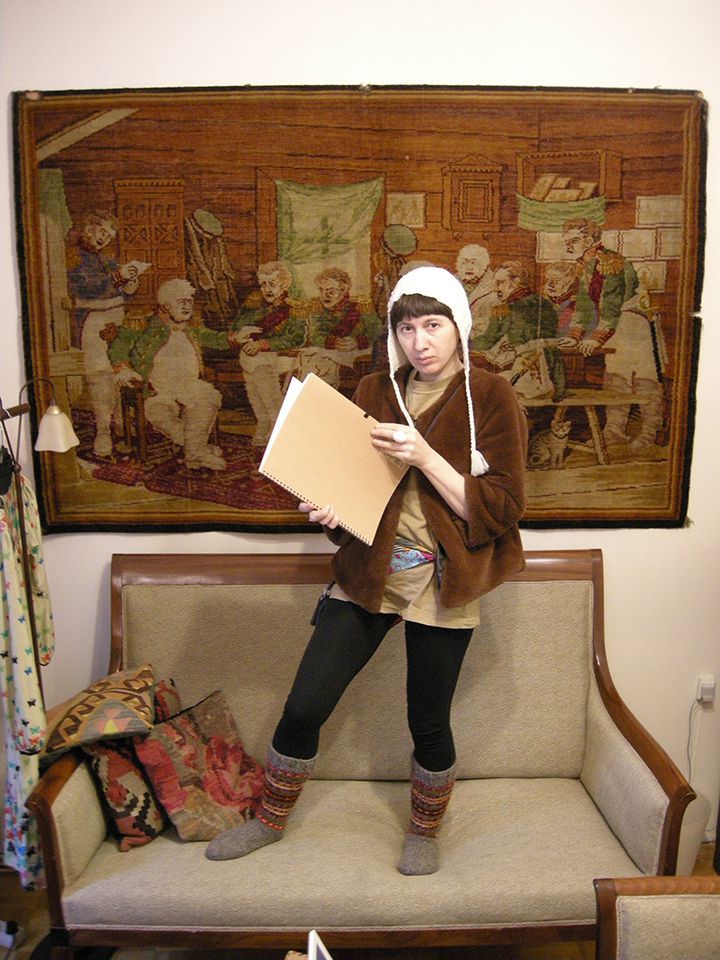
Returning to our resident life, I’ll say that unlike Alevtina, I settled more ascetically. No royal beds, no tapestries – like how Moscow was lost. In short, all the best for the girls. That’s my life credo. Only they don’t appreciate it. Although Alevtina is an exception. She made such breakfasts and lunches! Arugula salad and something I’m not familiar with on my Kherson dumplings. Pumpkin cream soup with mushrooms. No need to go to zucchini. Although we went there often too. French cuisine at home.
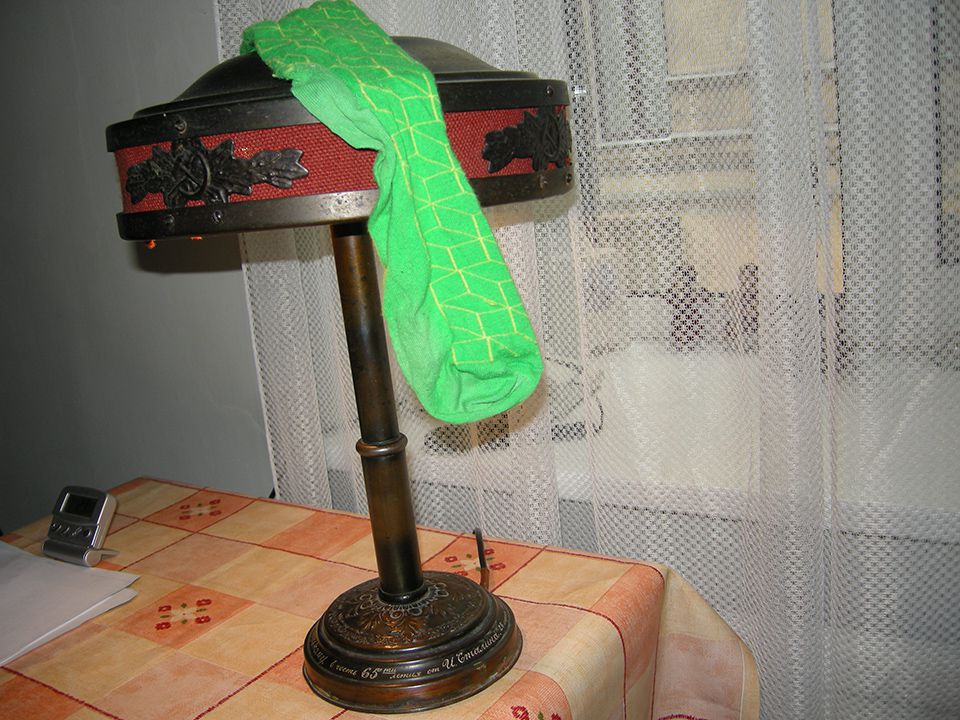
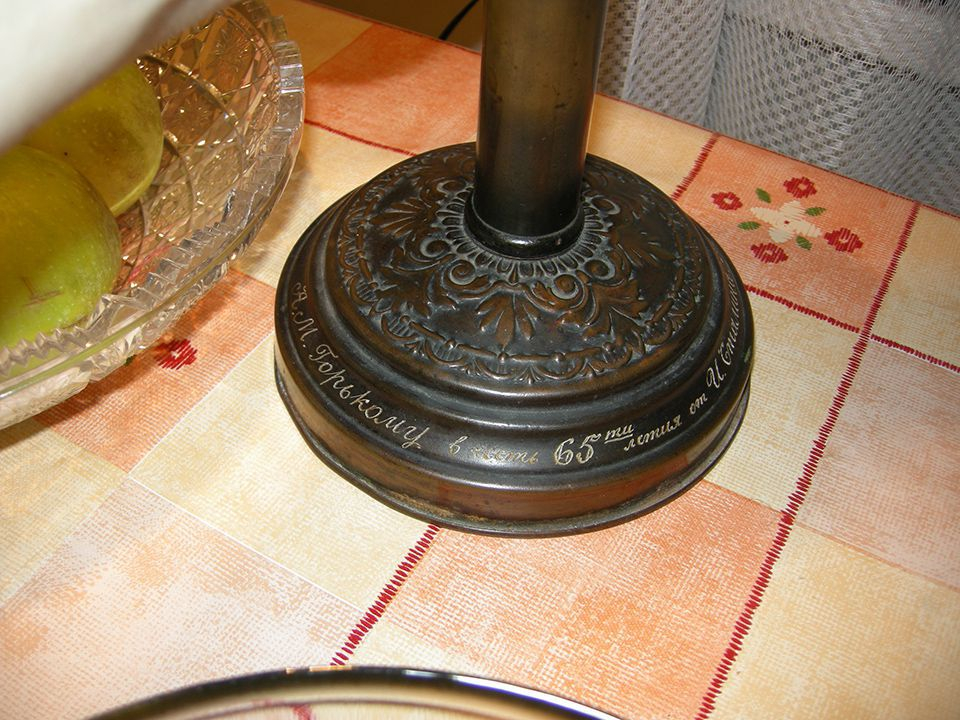
By the way, about the kitchen. We had a lamp in the kitchen where we had tea (forgive me for the local slang). A 1933 lamp – Soviet emblems and a dedication inscription “To Comrade Gorky from Comrade Stalin” on his 65th birthday, I think. I suspected that this lamp was as fake as Lincoln’s letter in Tarantino’s “The Hateful Eight”. But later I was told that the woman who bought this apartment and handed it over to cultural institutions is a serious collector. Maybe I really… had tea near Comrade Gorky’s lamp.
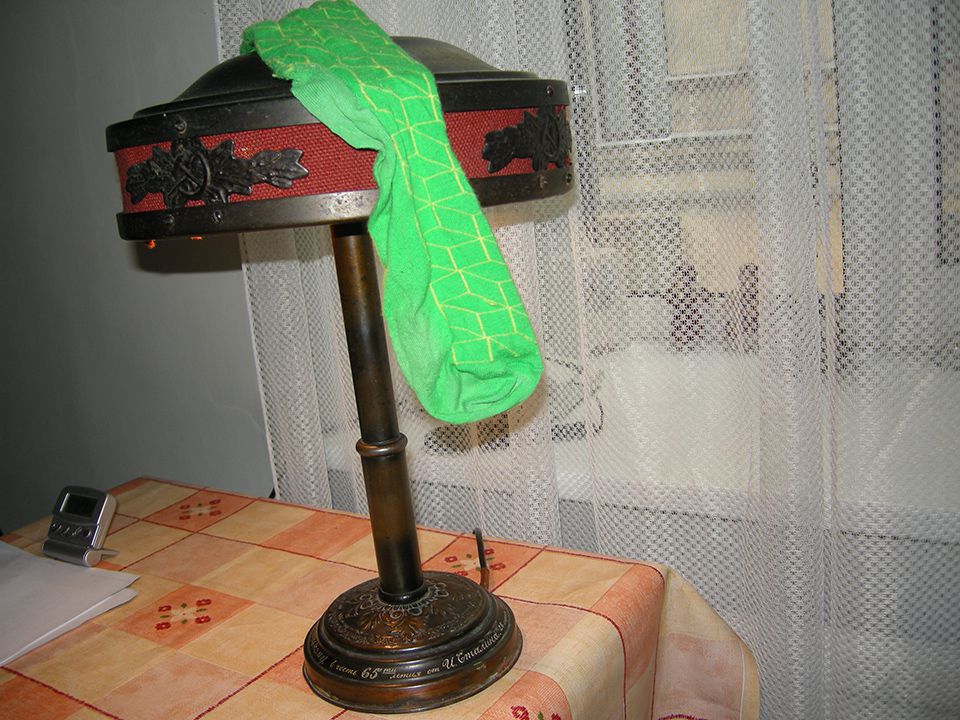
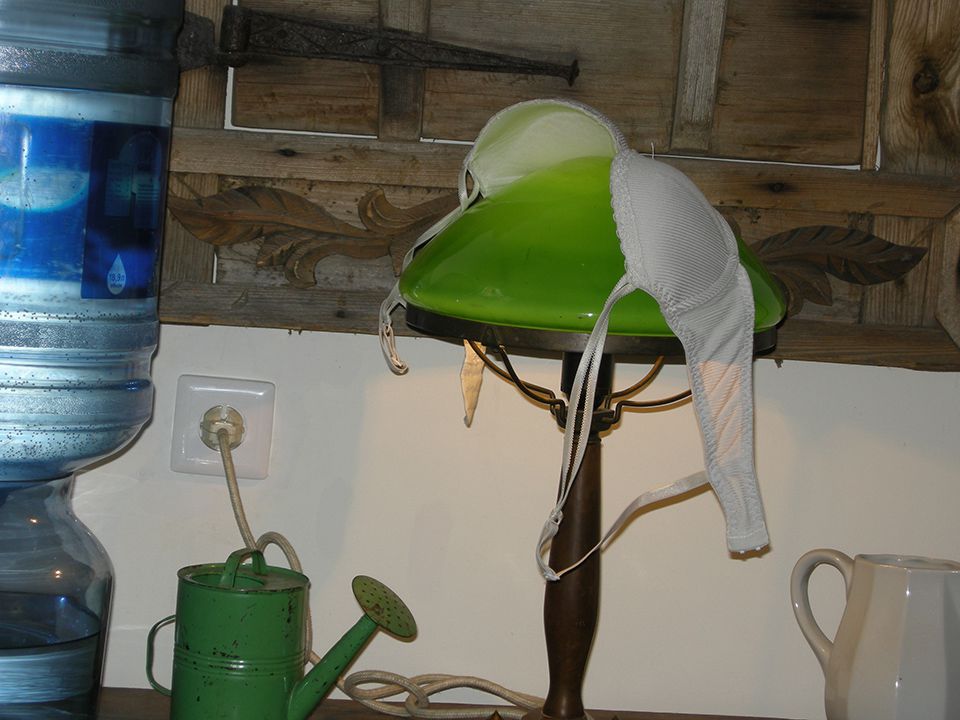
And I also dried socks on it – their beautiful green color matched perfectly with the strict Stalinist Empire or late modernism (can’t remember). There was another lamp – like Lenin’s in portraits. On it, I noticed Alevtina’s bra – apparently, she dried it too. I even have a photo. All relevant to our residency – like a man to a woman.
It lasted 12 days. There were many different meetings. “Beautiful gray Petersburg evenings” were spent making the art book. I drew dicks, Alevtina once drew phallic objects. They turned out very aesthetic.
– In what form will you present the art book and where?
– We will definitely show it in Ukraine, but in a disassembled form, and then I will bind it. Right in our O. Honchar library, formerly Gorky. There is a wonderful restoration workshop there. A book drawn under Gorky’s lamp and bound in Gorky’s library – isn’t that symbolic? Especially since Gorky once suffered in our city – he defended some woman, the men beat him up and he fell down the steps face-first onto Ushakov’s main street. They say the military police beat him up.
“My noble roots
especially flared up here”
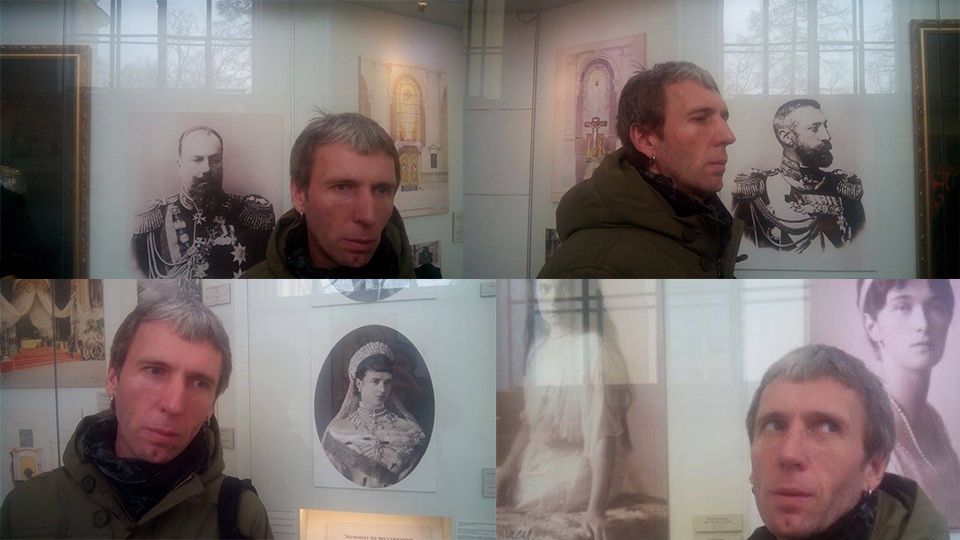
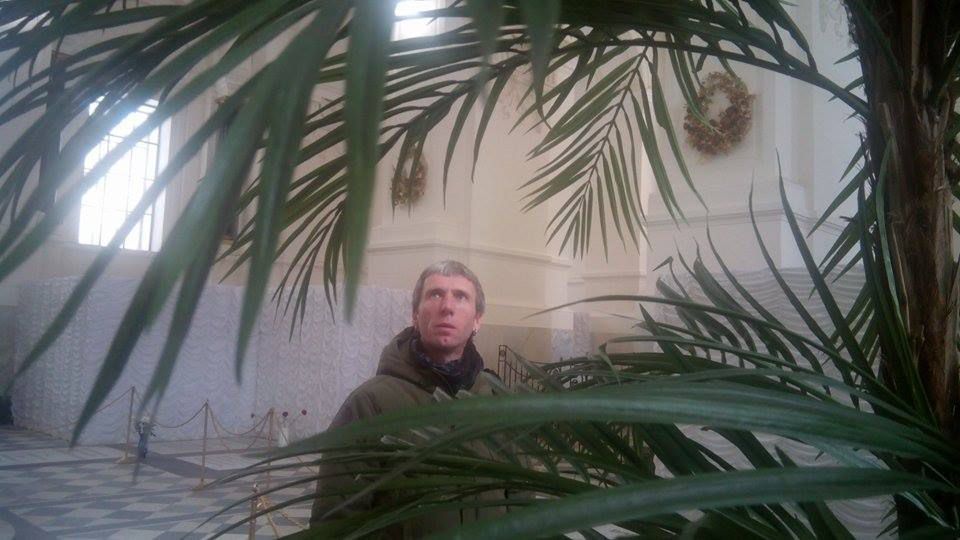
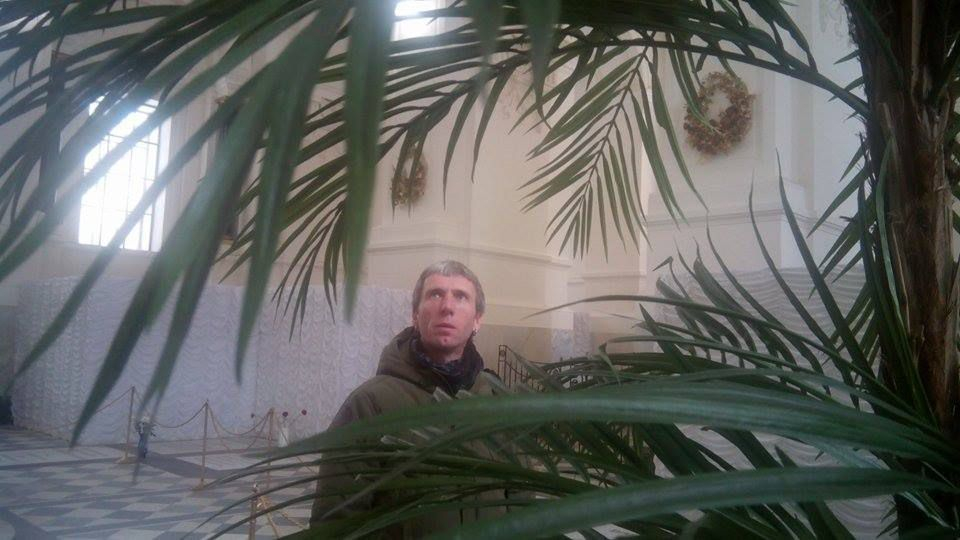
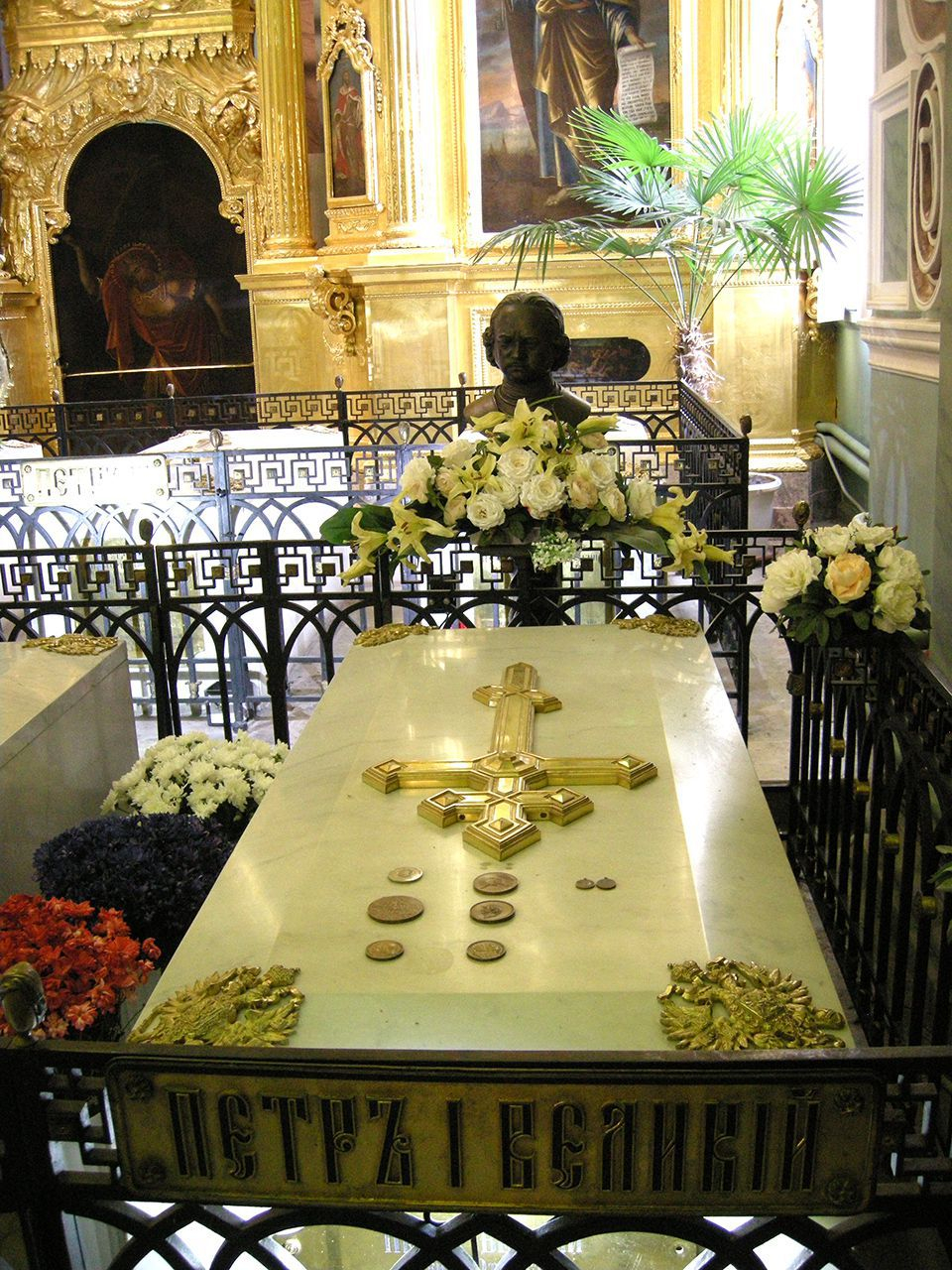
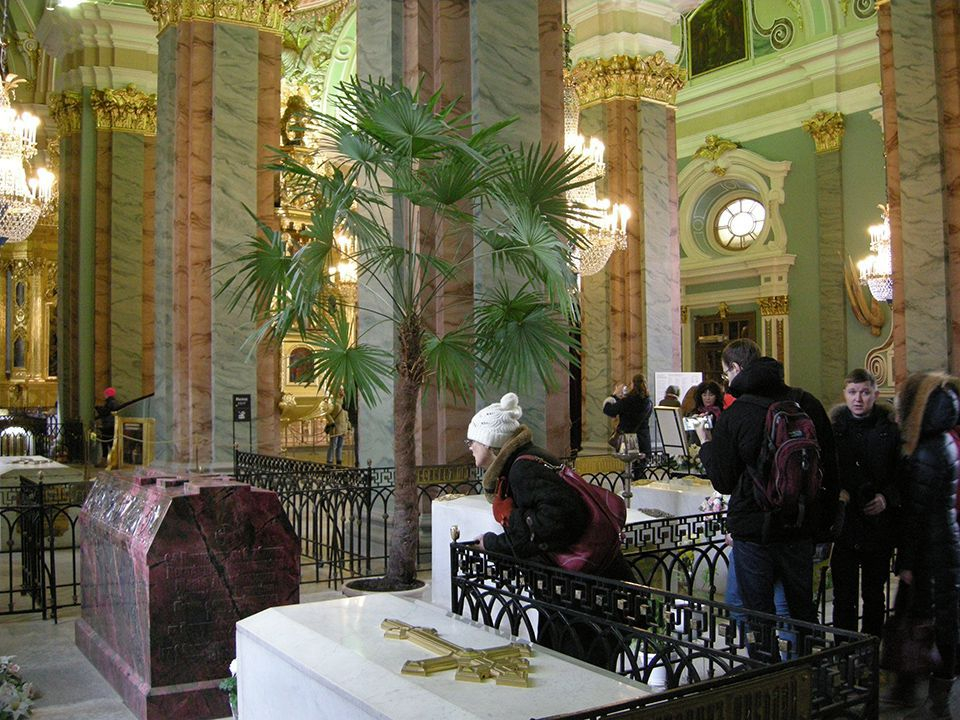
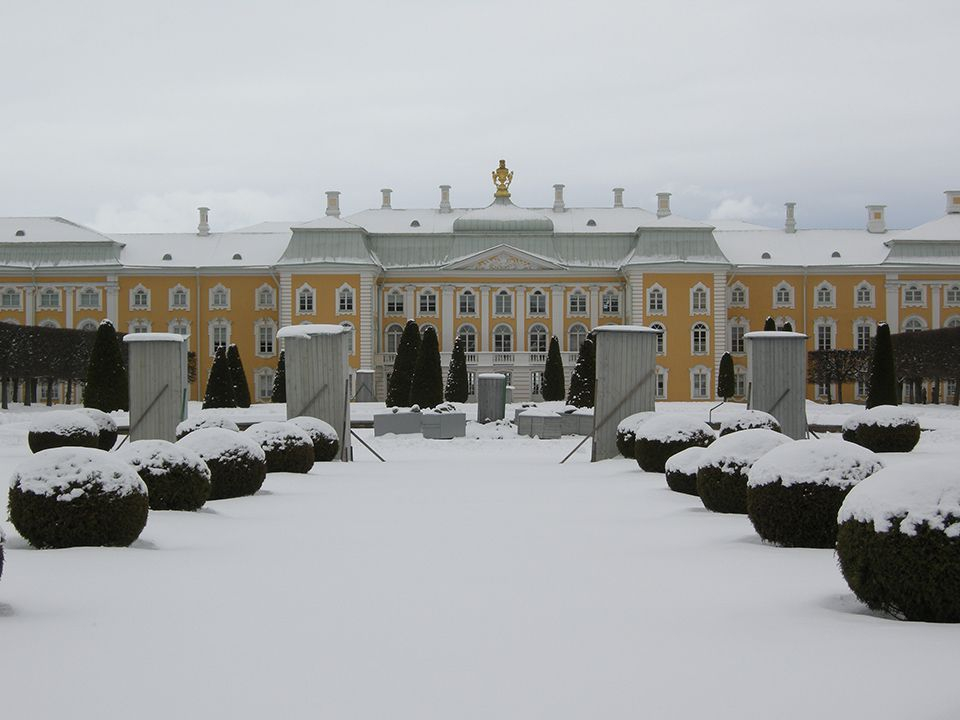
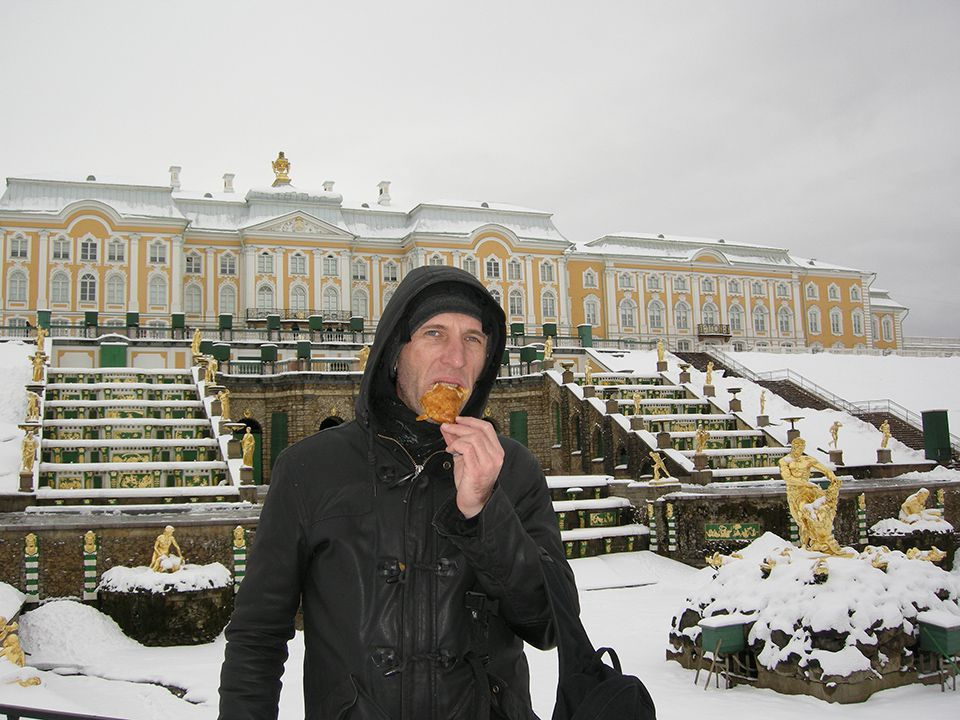
– We were taken to many historical places. I really liked the graves of my distant relatives. Well, where their tsars are all buried in the church. .For some reason, there were Chinese plastic palm trees there. That upset me.
– Wait, what ancestors? From where?
– Long ago, before all these current sad events, on the morning of the streltsy execution, my relative named Rykov (like my mother) fell out of favor with Tsar Peter and was exiled to the Kharkiv lands. But he didn’t like those lands, so he went to North Ossetia, where his family mixed with local mountain princes. As my grandmother said (may she rest in peace, in the afterlife you can only ride in a carriage in the sky), after the revolution their descendants came to Kherson to avoid class cleansing. But that didn’t quite help avoid troubles with nobility. My grandfather, a prince, was imprisoned because he worked as an accountant in a trust, stole money, and grandmother came home to find him drunk lying with a bag of money in the middle of the room. Then he was imprisoned again because he was caught with someone else’s suitcases at the Odessa station. Our family suffered from Soviet power. Difficult times for the dynasty.
– Well, yes, a genealogical multi-move…
– Yes, that’s why I entered this crypt trembling.
– How do you know this story about your ancestors?
– My mother’s nephew Rykov, now deceased (he ran an amateur theater in Lenin’s club), dug through archives and found all this. So, entering the crypt, I was so outraged by those palms. I took a photo in front of them. I visited Blok’s grave.
– Did you dream of visiting it?
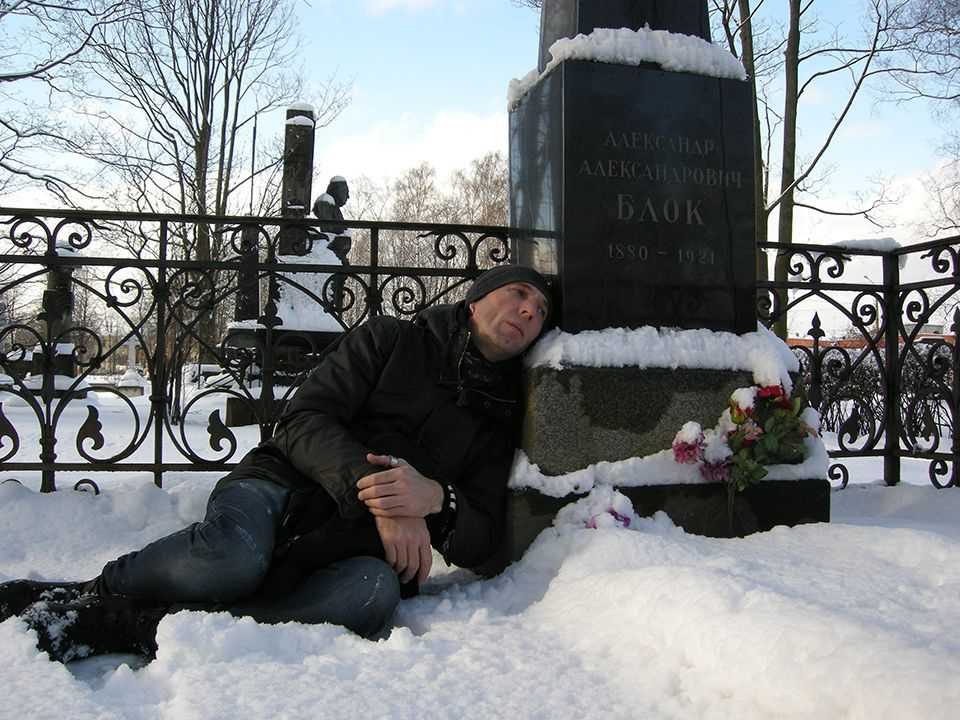
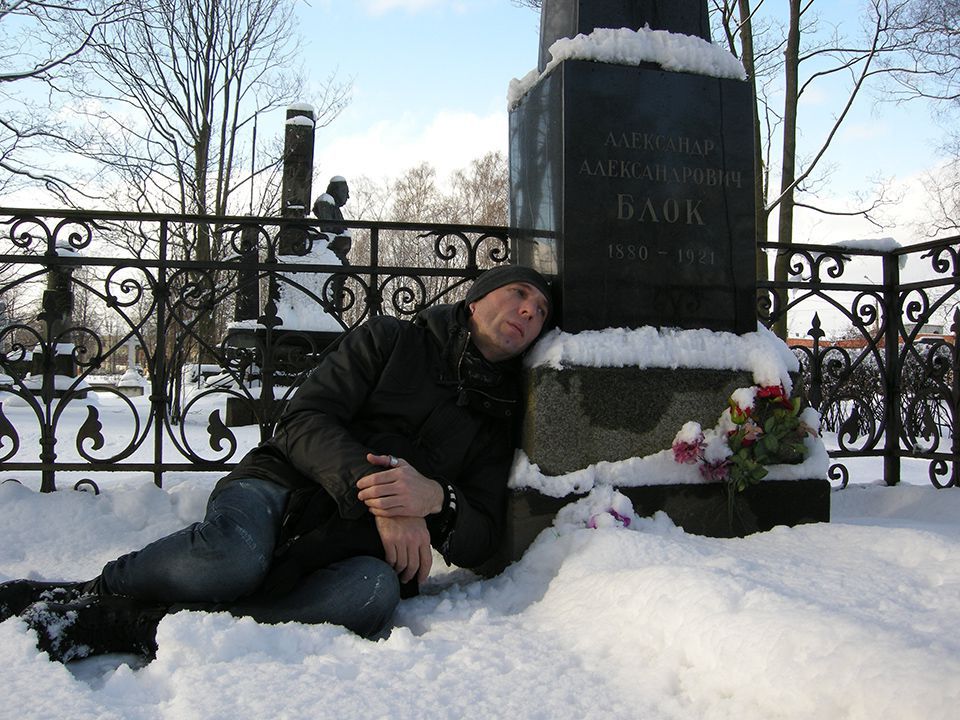
– I did. But unfortunately, I was not at the right grave. This is a new grave, moved during Soviet times. Writers lie there in one place, artists – Benois, Petrov-Vodkin, Krylov who told fables, etc. Blok was originally buried at Smolensk cemetery, but in 1944 his ashes were decided to be reburied, like many others, at Volkovo – so tourists would find it convenient if they suddenly got interested in the classics buried there. The reburial, or rather its finale, was sad. One commission arrived, another didn’t. So they dug up the bones, wrapped them in a quilted jacket (in a quilted jacket!) and wrote “Blok” on it. They placed the quilted jacket under a tree for the night – until the commission that didn’t arrive would come. When it finally arrived, the quilted jacket was guarded, and near the place where they left the quilted jacket with “Blok” a dog was running with a shin bone in its teeth. They never caught it. The guard, of course, got beaten up. So instead of Blok, they buried a quilted jacket labeled “Blok.” In short, fans go to the old grave, and the uninformed go to the new one. Of course, I know. But Alevtina and I were brought straight to the new one, and to the old one you had to go at your own expense. So it is what it is. I was very sad sitting by the grave of my favorite poet, lamenting my wasted youth, silently reciting his immortal lines about the Beautiful Lady, remembering how with the help of Russian Silver Age poetry I seduced Kherson girls from the sewing dormitory to have sex. When you read Blok to them, they get confused and you have to do it quickly – they don’t understand what’s happening, but they like it. Well, not from Russian poetic symbolism, but from the fact that they are not hit in the face before intercourse, but something rhythmic is told and there are also familiar love words. Well, and the rhythm. The rhythm of the poems, the rhythm of body movements. In general, the atmosphere is like a mantra with the Kama Sutra. I am very grateful to Alexander Blok for this.
– You didn’t shy away from anything in pickup! So Blok came in handy…
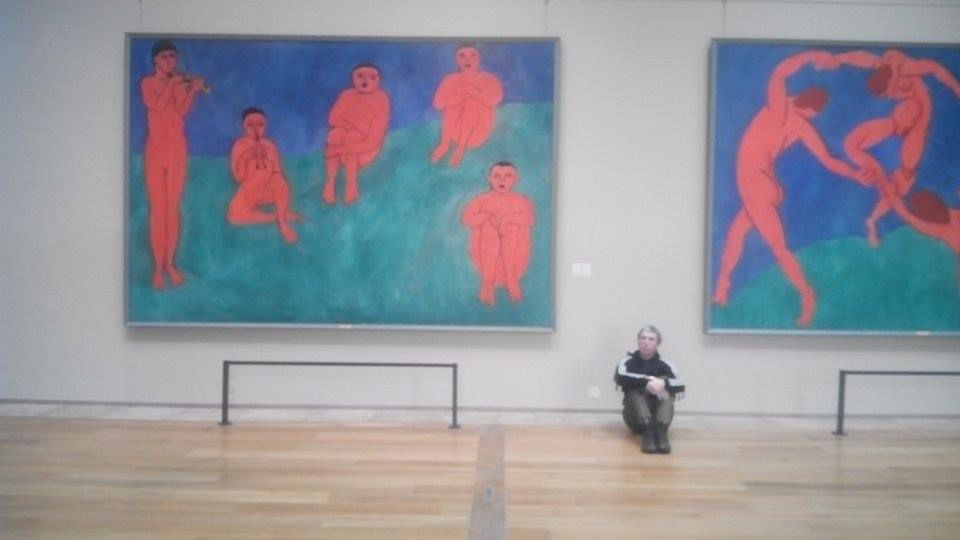
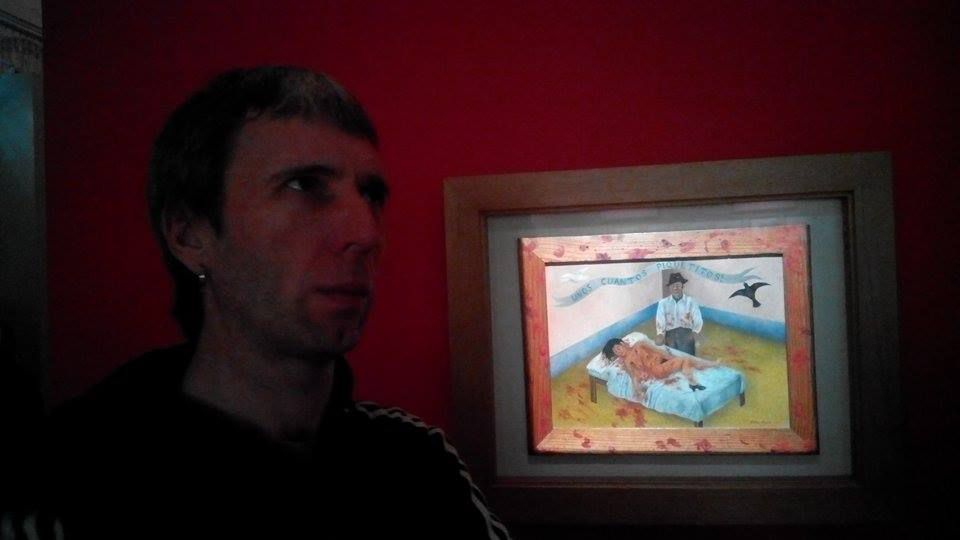
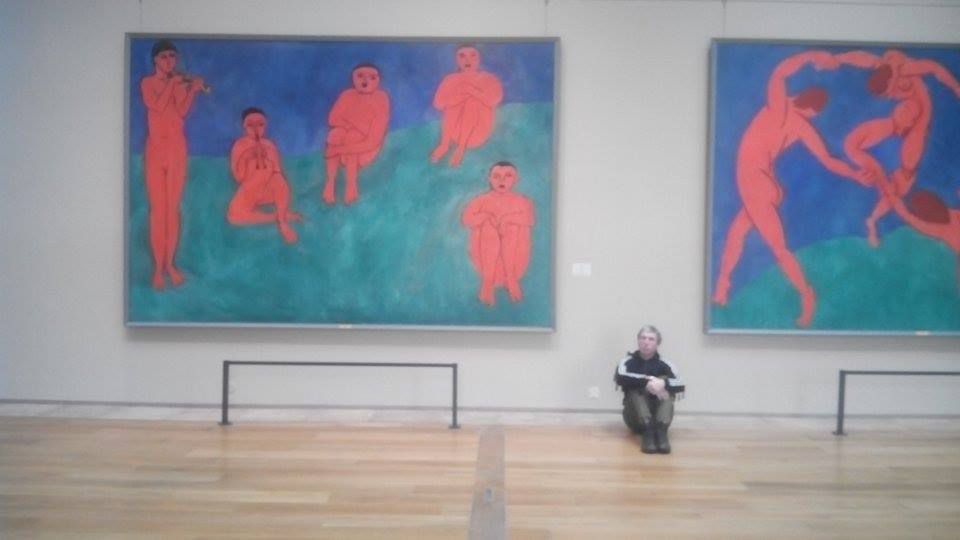
– After visiting the grave, Alevtina and I googled Blok’s personal life and found out he “had sex with” 300 women, including prostitutes. But he had a wife – Mendeleeva-Blok. And he didn’t “fuck” her at all, nothing. She was like a goddess to him, he dedicated poems to her. He fucked her after a year and was disappointed, she was disappointed too. Then she got pregnant, but not by him. But they were happy to have a child, and the child died after two weeks. He wrote a poem – “On the Death of an Infant.” He mourned even more than his wife. So I was very interested to visit Petersburg. By the way, there was only one bouquet of some cheap roses on the grave… I can’t forgive myself for not buying some orchids there. I usually give orchids to women when there is love. (Blok is also about love, well, and a bit about revolution at the end, when he ran out of women). Or lilies, for example, such “Bakst” symbolic ones. I was at Bakst’s exhibition in the Russian Museum. And somewhere else. All museums got mixed up for me. Oh, and I was at Frida Kahlo’s exhibition. There was a wonderful work: a man cutting a woman. I really liked the work. Emotional, passionate. Before that, I had only seen one of her works at MoMA (New York). It was all calm. A self-portrait.
“I led a very cultured
lifestyle”.
– Did you go to the theater?
– I did, I don’t remember which one. Definitely not the one with horses where Pushkin went to watch. We watched “The Brothers Karamazov” in a very modern production. I hadn’t read it. I read “Crime and Punishment” up to the magical moment when the grandmother was killed, and couldn’t go on. The play was very emotional, the characters even convulsed in epilepsy, swayed in water dripping from the ceiling. Splashes flew at the audience, it was interactive. Though the first two acts were boring, I was falling asleep. I was afraid to snore. Then I woke up.
– What woke you up? A plot twist?
– There were such girls there… very distracting. One sat like this (I can’t sit like that – my pants have a crotch) and did this, then another came from behind and began to stroke breasts and kiss the neck and massage where she spread her legs. Or rather, the one who spread her legs took the hand of the one who came and started to masturbate herself with that hand, and then she masturbated her back. The women were really making out. They say they made out in the book too. In short, I got an erection. Really got one during Dostoevsky. I wanted to fuck so badly. I stopped following the text and watched the girls. They sometimes raised their legs. Well, you understand.
– Did the nearby audience get excited too?
– They all watched very attentively. One of those lesbians was older and more depraved. I don’t like dyed blondes, but she was dyed. Still, she was a turn-on. (Maybe because I like lesbians). But the second, younger one was also okay. And they both fondled each other for some time. Then they started convulsions, but the convulsions were… erotic too. I couldn’t get rid of the thought that they weren’t suffering but orgasming. And I thought, what if she really is orgasming.
– And you lost the plot line…
– No, I understood, of course, that someone lost money and was put in jail and someone framed someone.
– Isn’t that a reason to reread “The Brothers Karamazov”? The best interpretation. I really thought about where to insert these masturbating women.
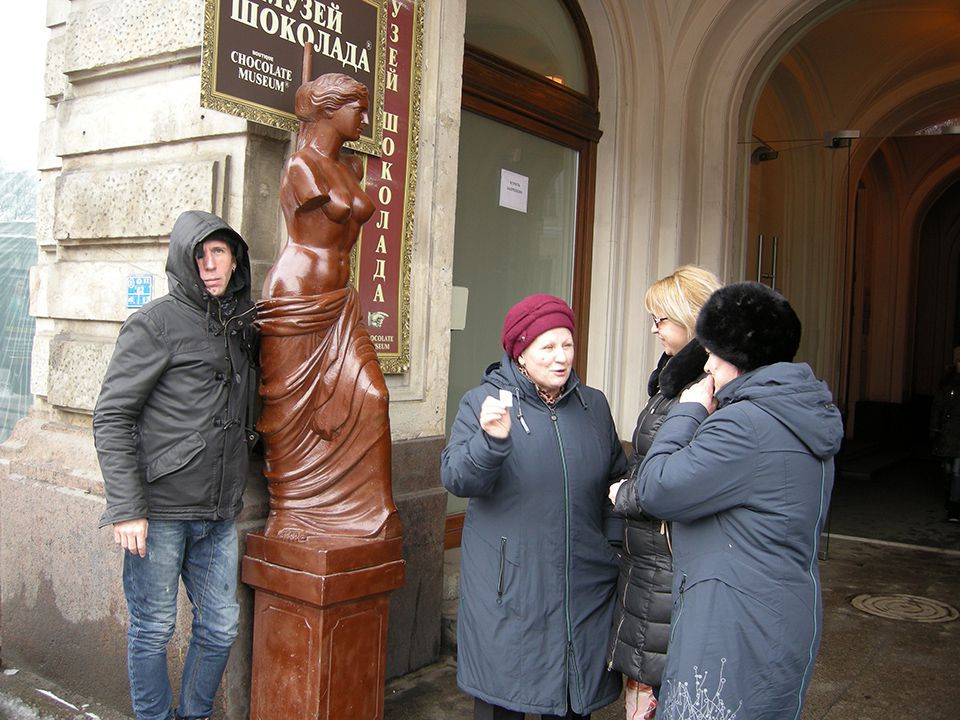
Then Stas, tired of describing the process in words, decided to demonstrate what exactly aroused him. On himself, as you already understood, it was inconvenient, so he took me. Well, it was a bit awkward, but fun. I would say, uninhibited. We tried to record it on video, but unfortunately, the phone died. Meanwhile, I realized that we were still in a public place – they might “ask us to leave.” However, it was fine, moreover, the waiters, as I was later told, watched all this with keen interest and even got annoyed when visitors insistently demanded “service.” After catching our breath, we continued the conversation. And a new, unexpected turn.
“I was struck by
the works of patients of the psychoneurological boarding school in Peterhof”
– Okay, your leisure was obviously busy. Were there any acquaintances that touched your soul?
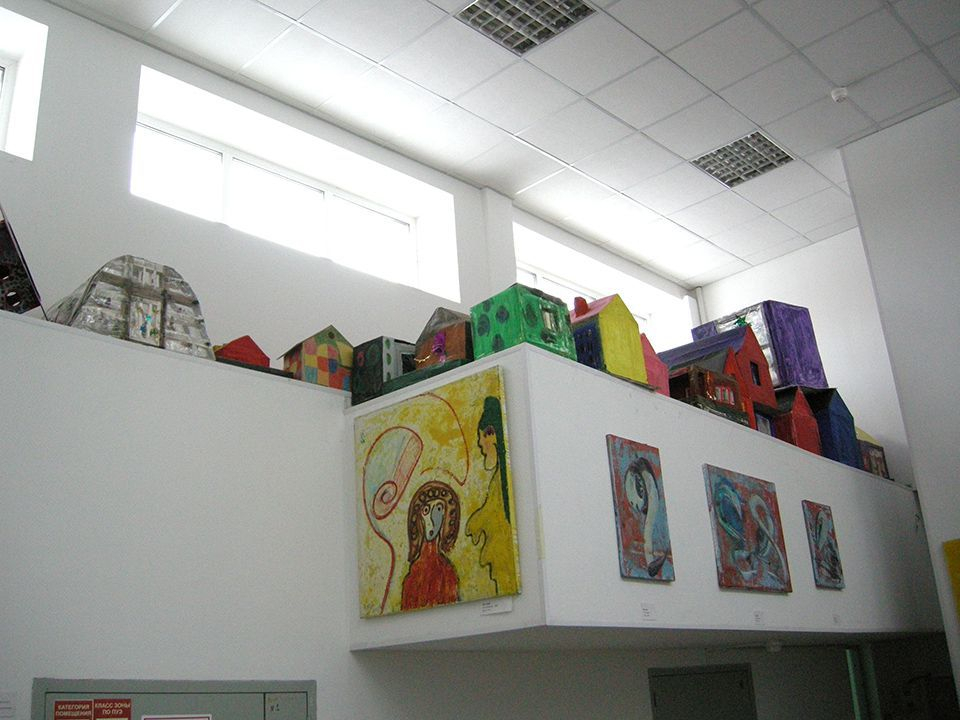
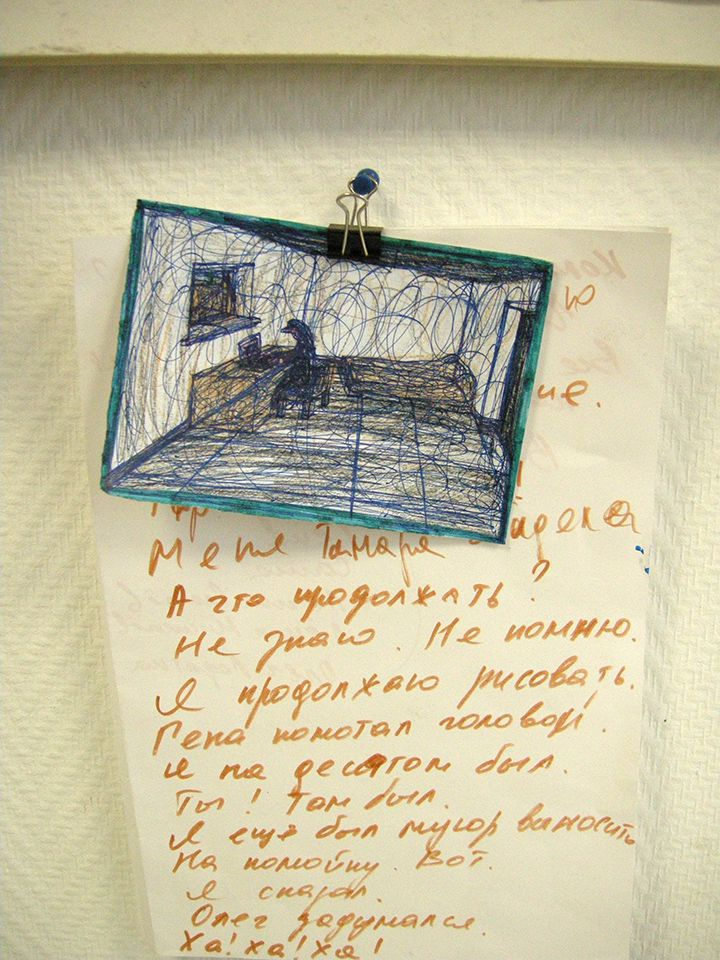
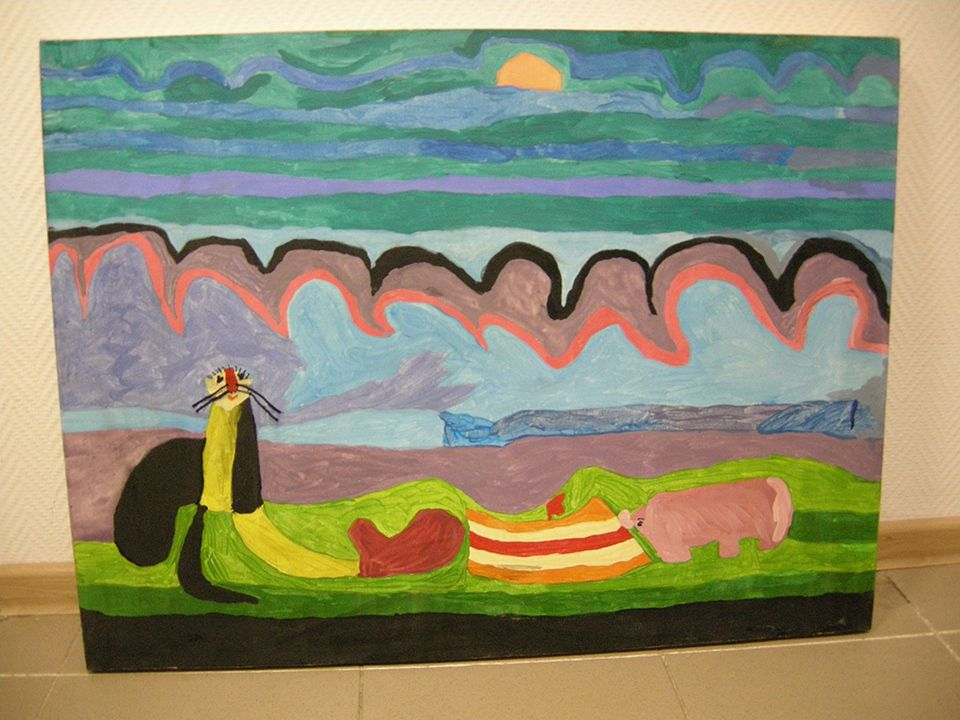
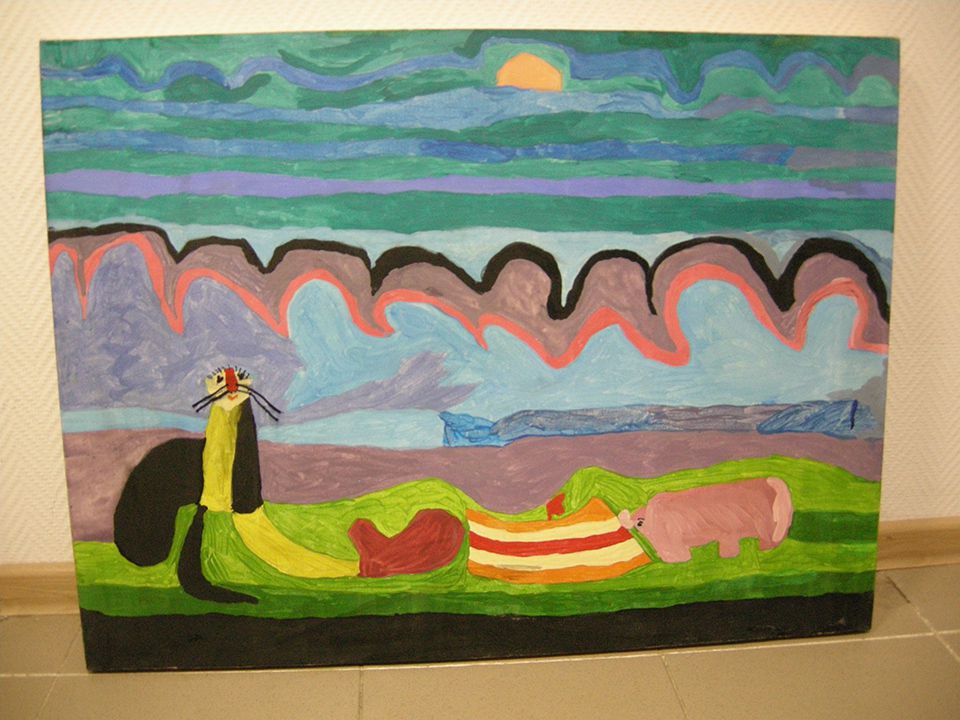
– One of the vivid impressions was meeting guys from BF “Perspektiva”, who in 2001 organized an art studio in psychoneurological boarding school No. 3 (Old Peterhof). They work with patients of varying severity, some who don’t speak or even hear, can’t write and don’t understand sign language, communicating only through art. One such guy simply amazed me with his numerous papier-mâché house models and boxes full of sketches of the boarding school corridors and landscapes of the institution’s territory from his windows. He draws where he lives, his world. Endless corridors. With a ballpoint pen. A technique very close to me. I also remembered works by a patient with cerebral palsy: drawing using a special device attached to the forehead. Excellent painting and graphics. And the graphics are computer-made, in Paint.
– Do they hold exhibitions?
– Yes, there were exhibitions in Europe, and some artists from the studio personally presented their work there. Thanks to these guys, the residents of this gloomy, I would say, place can attend their exhibitions outside the boarding school walls. If the authors of these paintings lived in Europe, many of them might already be widely known in the art world. Names like Adolf Wölfli, Henry Darger, Aloïse Corbaz, Augustin Lesage, Russian Alexander Lobanov were also patients of clinics and boarding schools. Their works are now in contemporary art museums worldwide. I was lucky to see many of their paintings on the VIP floor of the Armory Show in New York, among works by Picasso, Chagall, etc. And I participated with Alexander Lobanov in the Third Moscow Biennale of Contemporary Art.
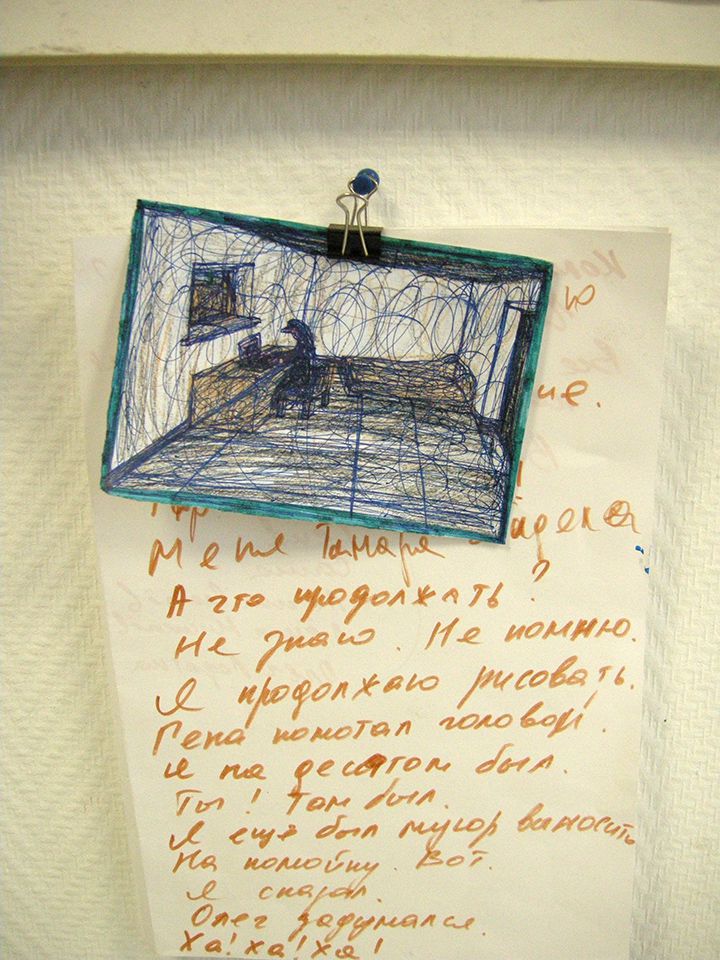
Speaking of Moscow, I once talked with Vladimir Abakumov, director of the Moscow Museum of Outsider Art, and he remembers that our “totemists” came to him from Kherson for a conference with a report about the creativity and the Artist’s House from Kherson region by Polina Raiko, leaving an album. He traveled around Europe filming programs about outsider artists who often live in clinics but in normal conditions, each having their own room, able to buy clothes, cigarettes, TVs, etc. Basically living a full life of ordinary people. Unfortunately, according to Russian law, most such people in Russia (I don’t know how it is in Ukraine) cannot sell their works because they are considered legally incapacitated. A pity. As I understood from my own experience attending classes held at the Peterhof boarding school, the work of the studio organizers is difficult but interesting. And most importantly – very necessary for those they work with. It was clear even when we approached the building and I saw the joyful faces of the artists met in the yard and looking out the windows, waiting for the next class.
The conversation flowed in the direction that we should come up with a joint project with these guys. After all, we also have many talented people with disabilities. And it would be great to organize a similar studio in our region, relying on the experience of colleagues from “Perspektiva.” Let’s start thinking…